
Introduction to AI Tools for Content Creation
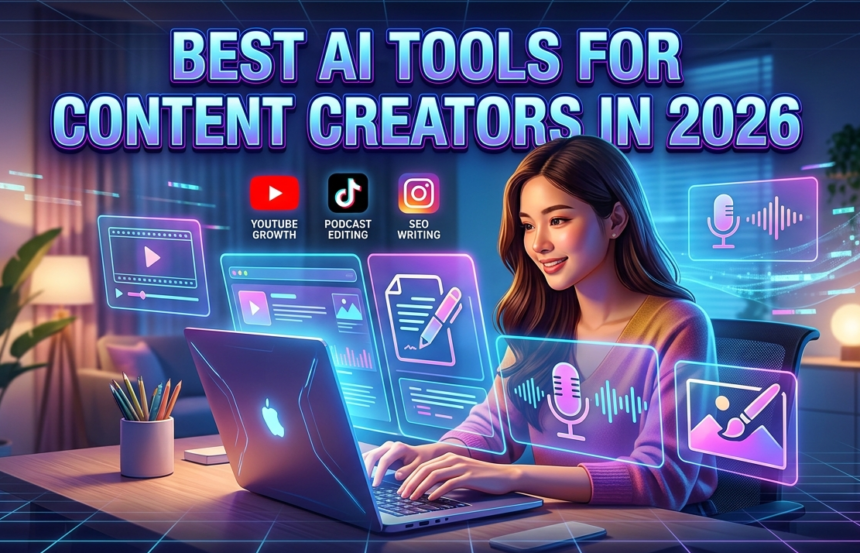
The landscape of content creation has transformed dramatically with the advent of artificial intelligence (AI) tools. These innovative solutions are designed to streamline the creative process, significantly enhancing the efficiency and effectiveness of content production. Over recent years, AI technology has evolved to cater to a variety of creative needs, making it indispensable for content creators across various industries.
AI tools facilitate numerous aspects of content creation, including writing, graphic design, video editing, and social media management. For instance, tools such as natural language processing algorithms assist writers by generating content suggestions, refining grammar, and even optimizing text for search engine visibility. This progression not only saves time but also allows creators to focus on the more strategic elements of their work.
The significance of these AI-powered platforms lies in their ability to automate repetitive tasks and provide data-driven insights. As content marketing and online presence become increasingly vital, the demand for efficient and effective content solutions has surged. Content creators now seek tools that not only improve productivity but also ensure high-quality output that resonates with their audience.
Moreover, graphic designers benefit from AI interfaces that can suggest layouts, color schemes, and design elements based on user preferences. Video editing tools utilize AI to automate complex editing tasks, allowing for quicker turnaround times without compromising on creativity. With the growing popularity of digital content, especially on social media, AI tools have also emerged as crucial assets in managing and curating engaging posts.
In summary, AI tools for content creation are paving the way for a more productive and creative future. By understanding and leveraging these innovative solutions, content creators can not only enhance their output but also stay ahead in the competitive digital landscape.
Top AI Tools Revolutionizing Content Creation
In 2026, content creators have access to an array of advanced AI tools designed to streamline the creative process across various domains. These tools not only enhance productivity but also elevate the quality of output through intelligent automation and data-driven insights.
One of the standout tools is CopyAI, a cutting-edge solution for writers and marketers alike. With features like auto-generated blog posts, social media captions, and email campaigns, CopyAI utilizes natural language processing to understand context and create engaging copy. Users have praised its ability to generate fresh ideas and overcome writer’s block, highlighting its role in enhancing creativity.
Graphic designers can benefit significantly from tools like Canva Pro, which integrates AI to recommend layout adjustments, color schemes, and image selections based on current design trends. This user-friendly platform helps designers maintain efficiency while producing visually appealing graphics for various purposes, from social media to brochures. Testimonials from satisfied users indicate that Canva Pro not only saves time but also democratizes design, making it accessible for professionals and novices alike.
In the realm of audio and video production, Descript has emerged as an invaluable tool. It combines transcription capabilities with video editing features, enabling users to edit audio and video by simply editing text. This revolutionary approach has received acclaim for its simplification of editing processes and its capacity to cater to both content creators and podcasters. Many users appreciate how Descript allows for rapid iteration and excellence in audio-visual storytelling.
Furthermore, BuzzSumo demonstrates its worth in social media management by leveraging AI to analyze trends and audience engagement. The platform assists content creators in identifying popular topics, enabling strategic content planning. Users report a notable increase in their social media reach and engagement by integrating BuzzSumo into their content strategy.
These tools exemplify how AI is shaping the future of content creation, enabling creators to produce exceptional and relevant material efficiently. As technology continues to evolve, embracing these innovations will be crucial for achieving success in an increasingly competitive landscape.
Benefits of Using AI Tools for Content Creation
As the landscape of content creation continues to evolve, the integration of Artificial Intelligence (AI) tools presents numerous benefits for content creators. One of the primary advantages is the significant enhancement of productivity. By automating repetitive tasks such as data analysis, keyword research, and social media posting, AI tools enable creators to devote more time to the creative aspects of their work. This increased efficiency allows for the generation of a higher volume of quality content within a shorter time frame.
In addition to improving productivity, AI tools streamline workflows. Tools such as Grammarly, Jasper, and Canva combine various functionalities, allowing creators to draft, edit, and publish their content seamlessly. This integrated approach eliminates the need to switch between multiple platforms, simplifying the content creation process. Furthermore, AI has the capacity to analyze user engagement and feedback, providing creators with valuable insights that can be applied to future projects.
Cost-effectiveness is another critical factor to consider. Many AI tools offer scalable solutions for creators and marketing teams of all sizes. Whether a beginner or an established professional, the availability of subscription-based pricing allows users to select plans that align with their budget while still accessing advanced functionalities. Additionally, AI tools can help reduce the costs associated with hiring multiple specialists by providing comprehensive solutions that encompass various aspects of content marketing.
Moreover, these tools are designed to cater to diverse audience preferences. By utilizing AI-driven analytics, content creators can better understand their target demographics, enabling them to tailor their content more effectively. For instance, platforms like BuzzSumo leverage AI algorithms to identify trending topics based on audience interests. This capacity to align content with audience expectations can lead to increased engagement and shared usage.
Real-life examples abound, showcasing how creators have successfully integrated AI tools into their workflows. For instance, a popular blog utilized an AI-powered writing assistant to enhance their content’s readability and SEO optimization, resulting in a 40% increase in organic traffic within months. As these tools continue to advance, the advantages they provide for content creation become increasingly evident.
Future Trends in AI for Content Creation
The landscape of content creation is poised for transformative changes driven by advancements in artificial intelligence (AI). As we look beyond 2026, several key trends are expected to emerge. Among these, improvements in machine learning algorithms will significantly enhance the capabilities of content creation tools. These advancements will enable AI systems to understand and replicate human-like creativity more effectively, thereby producing high-quality content that resonates with target audiences.
Furthermore, enhancements in natural language processing (NLP) will allow content creators to engage in more intuitive interactions with AI tools. This could lead to more sophisticated content generation capabilities, including the ability to cater to diverse linguistic structures and cultural contexts. As a result, content creators may find themselves able to automate repetitive tasks while still maintaining originality and a personal touch in their work.
Image generation technology will also continue to evolve, creating opportunities for richer multimedia content. AI algorithms are expected to produce visuals that are not only aesthetically appealing but also contextually relevant. Such developments may empower content creators to quickly produce high-quality images and designs tailored specifically for their audience’s preferences.
Ethical considerations will undoubtedly play a critical role in the future of AI-driven content creation. Issues surrounding copyright, originality, and the authenticity of AI-generated content will need to be addressed. Additionally, the potential impact of AI on the job market raises important questions regarding the future roles of human content creators in an increasingly automated ecosystem.
In conclusion, the future trends in AI for content creation suggest a landscape rich with opportunities and challenges. As technologies like machine learning, NLP, and image generation continue to progress, content creators will need to adapt to new tools and navigate ethical dilemmas, ultimately reshaping the industry’s creative processes.