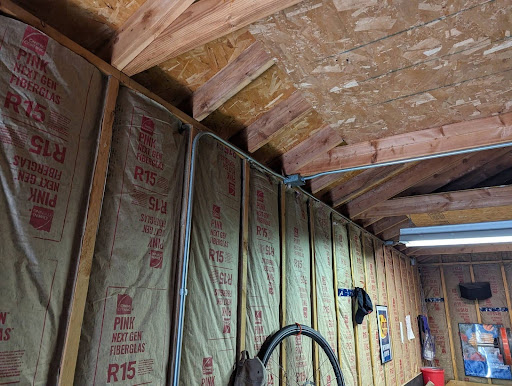
Insulating your garage is a practical and valuable home improvement. Whether the space is used for parking, storage, a workshop, or a home gym, proper insulation helps maintain a comfortable temperature, reduce energy costs, and improve overall efficiency throughout the year. With professional solutions from Henges Insulation, homeowners can ensure long-lasting performance and enhanced comfort. This guide explains the importance of garage insulation, highlights suitable materials, and provides a clear step-by-step overview.
Why Insulating Your Garage Is Important
Many garages are left uninsulated, which allows cold air in during winter and excessive heat in during summer. This temperature imbalance can affect nearby rooms, increase heating and cooling costs, and even damage stored items. Insulating your garage helps maintain a stable indoor environment, reduces noise, and adds value to your home.
Identify the Areas That Need Insulation
Before starting, scrutinize your garage. Common areas that require insulation include:
- Garage walls – Especially if they are attached to your home
- Garage ceiling – Important if there is a living space above
- Garage door – One of the biggest sources of heat loss
- Gaps and cracks – Around windows, doors, and outlets
Sealing air leaks first ensures your insulation works effectively.
Choose the Right Insulation Material
Different insulation materials suit different garage setups. The most common options include:
Fiberglass Insulation: Fiberglass batts or rolls are affordable, easy to install, and ideal for unfinished garage walls and ceilings.
Foam Board Insulation: Rigid foam boards provide excellent thermal resistance and are perfect for garage doors and concrete walls.
Spray Foam Insulation: Spray foam expands to fill gaps and cracks, offering superior insulation and air sealing. It’s more expensive but highly effective.
Reflective Insulation: Best for hot climates, reflective insulation helps deflect heat away from the garage.
How to Insulate Garage Walls
Begin by measuring the spaces between wall studs to ensure accurate insulation placement. Cut the insulation material to fit securely without gaps, as gaps can reduce efficiency. When using fiberglass insulation, always position the vapor barrier toward the interior of the garage. Once installed, the insulation can be covered with drywall to improve appearance and protection.
Insulating the Garage Ceiling
Insulating the garage ceiling is especially important if there is a living area or storage space above it. Materials such as fiberglass batts or blown-in insulation are effective at reducing heat loss and controlling indoor temperatures. Proper ceiling insulation helps prevent cold drafts in winter and excess heat in summer. It also improves comfort in rooms located above the garage.
Insulating the Garage Door
Garage doors are a major source of heat loss due to their thin construction. Installing rigid foam boards or pre-cut insulation kits can significantly improve energy efficiency. The insulation should fit neatly within the door panels without adding excessive weight. Always ensure the door opens and closes smoothly after installation.
Seal Air Leaks for Maximum Efficiency
Sealing air leaks is essential to ensure your insulation performs effectively. Check for gaps around windows, doors, electrical outlets, and wall joints where air may escape. Use caulk for small cracks and expanding foam for larger openings. Adding weather stripping around the garage door helps prevent drafts and improves overall energy efficiency.
Safety Tips to Keep in Mind
- Wear gloves, goggles, and a mask when handling insulation
- Keep insulation away from electrical wiring unless it’s rated for contact
- Ensure proper ventilation if using spray foam insulation
Final Thoughts
Properly insulating your garage is a smart way to enhance comfort, save on energy bills, and make the space more functional year-round. From walls and ceilings to doors and air leaks, every part of your garage plays a role in maintaining temperature and efficiency. With professional solutions from Henges Insulation, you can ensure high-quality materials and expert installation for long-lasting results. Don’t overlook this simple improvement; it can make a big difference in comfort and energy savings.