

Introduction to Wearable Technology
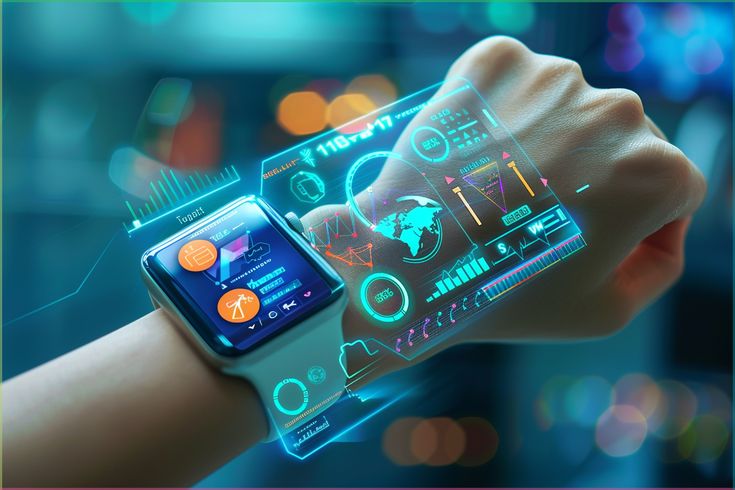
Wearable technology refers to a broad range of devices designed to be worn on the body, integrating advanced features and functionalities that extend beyond traditional timekeeping or mere fitness tracking. These devices often incorporate sensors, software, and connectivity to facilitate real-time monitoring of activities and health metrics. The significance of wearable technology lies in its ability to seamlessly blend into daily life, thereby enhancing personal health management, fitness tracking, and even communication.
The evolution of wearable technology can be traced back to its origins in simple fitness bands designed to track steps and monitor calories burned. However, the advancement in technology has transformed these basic devices into sophisticated smartwatches and health monitoring tools equipped with features like heart rate tracking, sleep analysis, GPS navigation, and even mobile payment systems. Today, wearables can connect to smartphones, providing users with notifications, calls, and various applications directly on their wrist.
AD
Furthermore, the emergence of health-oriented wearables highlights the growing trend towards proactive healthcare management. Devices such as smartwatches are now equipped with features that allow individuals to track vital health indicators such as blood oxygen levels, ECG readings, and other critical health metrics. The integration of artificial intelligence in wearables is also paving the way for personalized fitness and health recommendations, as well as predictive analytics to forewarn users of potential health issues.
In recent years, the demand for wearables has surged, underscoring their relevance in today’s tech-savvy society. As technology continues to advance and evolve, the future of wearable technology seems promising, nwhich will feature innovative designs and expanded functionalities, propelling the industry to new heights. The trends emerging within this space are set to shape how individuals interact with technology and manage their well-being in the years to come.
Health and Fitness Monitoring Innovations
In recent years, the landscape of health and fitness monitoring has evolved dramatically due to advancements in wearable technology. Devices such as smartwatches and fitness trackers now incorporate sophisticated sensors that enable users to monitor various health metrics. A significant trend in this arena is heart rate monitoring, which has become increasingly accurate and accessible. Many modern wearables provide continuous heart rate tracking, allowing individuals to gauge their cardiovascular health in real time and make informed decisions about their physical activities.
Another noteworthy development is sleep tracking technology, which has gained popularity among consumers aiming to improve their sleep quality. Wearables equipped with sleep tracking features analyze sleep patterns, providing valuable insights into light, deep, and REM sleep stages. This data helps users to understand their sleep habits better and make necessary adjustments to enhance overall restfulness and recovery.
Moreover, chronic disease management is being revolutionized by wearables that empower individuals to take control of their health. For patients with conditions such as diabetes, continuous glucose monitors and connected devices provide real-time data, allowing for better blood sugar management. By facilitating timely alerts and insights, these wearables not only enhance the quality of life but also contribute to preventive care measures that can reduce the risk of severe health complications.
Overall, these innovations in health and fitness monitoring through wearables illustrate a significant shift towards personalized health management. As technology continues to advance, it is expected that the integration of such features into daily life will promote healthier lifestyles and more proactive approaches to health care.
Wearable Payment and Contactless Technology
In recent years, wearable technology has evolved significantly, incorporating various features that extend beyond fitness tracking and health monitoring. One of the most notable advancements is the integration of payment solutions into devices such as smartwatches and fitness bands. This has paved the way for the rise of contactless technology, allowing consumers to conduct financial transactions seamlessly and efficiently.
The emerging trend of wearable payment options is revolutionizing the way individuals engage with commerce. Users can now make purchases by simply tapping their smartwatch or fitness tracker at affiliated point-of-sale systems. This convenience is further enhanced by the security measures that accompany contactless technology, including encryption and biometric authentication. As a result, consumers are increasingly adopting these wearable payment solutions due to their efficiency and safety features.
Consumer acceptance is crucial for the successful proliferation of wearable payment technology. Studies indicate that individuals, particularly younger generations, are becoming more comfortable with using smartwatches and fitness devices for financial transactions. This shift in attitude toward contactless payments is largely influenced by the widespread adoption of mobile wallets and broader societal trends favoring cashless transactions. As familiarity grows, the integration of payment solutions into wearable devices is anticipated to become even more ubiquitous.
Retailers and financial institutions must adapt to this evolving landscape as there are significant implications for their business models. Retailers are encouraged to invest in contactless payment infrastructure to meet consumer demand and enhance the shopping experience. Meanwhile, financial institutions are exploring ways to partner with technology providers to increase the security and usability of wearable payment systems. Overall, as wearable payment solutions gain traction, their influence on consumer behavior and retail strategies is expected to be profound.
Integration with Smart Home Devices
The rise of wearable technology has facilitated a remarkable shift in how users interact with their home environments. Wearables, including smartwatches, fitness trackers, and smart glasses, are increasingly being integrated with smart home devices, enabling a unified control mechanism for various elements of the household. This seamless connectivity allows users not only to monitor their personal health and fitness but also to manage home functions such as lighting, temperature, and security systems directly from their wrists or through other wearable interfaces.
For instance, a user can adjust their home’s thermostat through their smartwatch while on the go, providing comfort and energy savings without the need for physical presence. This integration also enhances the accessibility of smart home features, particularly for individuals with mobility challenges, allowing them to control their environment directly and conveniently through wearable technology.
However, as with any technological advancement, there are potential challenges that come with the integration of wearables and smart home devices. Privacy and security concerns are paramount, as these devices continuously collect and transmit personal data. Ensuring robust encryption and safeguarding user information is critical to fostering trust in this interconnected ecosystem. Additionally, compatibility between different devices can pose a hurdle, as not all wearables are designed to work with every smart home platform, potentially limiting user experience.
Despite these challenges, the benefits of integrating wearables with smart home devices are significant. It enhances the user experience by providing a streamlined interface for managing home environments and promotes energy efficiency and comfort. As technology continues to evolve, we can expect further advancements that will improve this integration, ultimately leading to a more connected and convenient lifestyle for users.
Fashion Meets Technology: Wearable Style Trends
The convergence of fashion and technology has become increasingly evident in the realm of wearable technologies. As consumers have grown more discerning regarding the aesthetics of their gadgets, manufacturers have responded by integrating fashion-forward designs into their products. This blending of style and functionality is reshaping consumer choices, making wearables not just tools for convenience but also essential fashion accessories.
One notable trend is the evolution of smartwatches, which have transitioned from bulky, utilitarian devices to sleek, sophisticated timepieces that complement a variety of outfits. Innovations in materials, such as lightweight metals and high-quality straps, have enhanced the wearable’s appeal, allowing them to suit both casual and formal occasions. Additionally, customizable watch faces and bands enable users to personalize their devices to reflect their unique style, promoting more frequent usage.
Collaborations between tech companies and high-end fashion designers have also played a significant role in bridging the gap between function and form. For instance, partnerships featuring established brands often result in limited-edition products that command a premium yet attract fashion-savvy consumers. This cross-industry collaboration not only elevates the sophistication of wearable technology but also increases brand prestige for the tech companies involved.
Furthermore, the rising influence of social media on fashion trends has catalyzed the demand for wearables that are visually striking. Influencers often showcase these products in their content, thereby influencing purchasing decisions among their followers. As a result, brands are now heavily investing in aesthetic appeal to ensure that their wearables are not only functional but also stylistically appealing to the modern consumer.
Mental Health Monitoring and Support
Recent advancements in wearable technology have ushered in a new era of mental health monitoring and support. The increasing prevalence of stress, anxiety, and other mental health conditions has led to a growing demand for devices tailored specifically to aid in emotional well-being. Various wearables are now equipped with features designed to track physiological indicators related to mental health, such as heart rate variability, sleep patterns, and even skin conductance. These metrics can provide valuable insights into an individual’s mental state, enabling users to better understand and manage their emotions.
One of the significant advancements in this domain is the integration of biosensors within wearable devices that monitor stress levels. For example, wearables from brands like Fitbit and Apple now come with built-in stress sensors, which use real-time data to assess fluctuations in heart rate and other physiological markers. This information is instrumental in identifying when a person might be experiencing elevated stress, allowing for timely interventions, such as guided breathing exercises or mindfulness practices.
Moreover, mental health apps that accompany these devices often provide users with resources, including daily mood tracking, personalized coping strategies, and access to mental health professional consultations. Some advanced wearables even utilize artificial intelligence to analyze mood patterns over time, offering users tailored content to enhance their mental wellness. By encouraging regular reflection and emotional check-ins, these technologies promote a proactive approach to mental health.
The convergence of wearable technology and mental health support is a promising trend that provides individuals with tools to enhance their well-being. As these devices continue to evolve, they not only offer innovative solutions to monitor mental health but also foster a deeper understanding of emotional well-being, which is crucial in today’s fast-paced environment.
Augmented Reality and Wearables
Augmented reality (AR) technology has emerged as a transformative component in the wearable tech domain, particularly through devices such as AR glasses and headsets. As we delve into the current trends regarding AR in wearables, it becomes clear that these innovations are revolutionizing the user experience across various sectors including gaming, training, and education.
In gaming, AR wearables are creating immersive experiences that blend the physical and digital worlds. For instance, AR glasses allow players to interact with game elements in real-world settings, enhancing gameplay and engagement. This trend not only captivates users but also fosters a unique social environment for multiplayer experiences, making gaming more interactive and dynamic.
In the realm of training and professional development, AR wearables are being utilized to facilitate hands-on learning. By overlaying digital information onto physical environments, AR can enhance skills training in fields such as medicine, engineering, and military operations. For example, medical professionals can use AR headsets to visualize complex surgical procedures in real-time, improving both understanding and execution. This application showcases the potential of AR wearables to significantly reduce training time while enhancing knowledge retention.
Furthermore, educational institutions are increasingly adopting AR wearables to enrich learning experiences. Through interactive lessons and visual demonstrations, students can better grasp complex concepts. AR wearables can turn traditional classrooms into interactive hubs of learning, where students engage with the material in innovative ways, thus fostering deeper understanding and retention.
Overall, the integration of augmented reality in wearables is rapidly evolving, with advancements poised to redefine user experiences across multiple sectors. As the technology develops, it promises to offer even more engaging and practical applications, making the exploration of AR wearables a trend worth monitoring in the coming years.
Privacy and Data Security Challenges
As the adoption of wearable technology continues to rise, so do the associated privacy and data security challenges. Wearable devices, such as fitness trackers, smartwatches, and health monitoring systems, collect a wealth of personal data from users. This data can include sensitive information about health metrics, location tracking, and daily habits, raising significant concerns about how that information is handled.
The risks of data collection are profound. User data can be vulnerable to breaches, where unauthorized individuals or entities gain access to personal information. Such breaches can lead to identity theft, fraud, and a loss of trust in technology. Furthermore, there is a constant risk of misuse of data by third parties, who may exploit this information without the user’s knowledge or consent. This can include unethical practices such as selling data to marketers or insurance companies.
Privacy concerns are amplified by the potential for continuous monitoring inherent in wearables. Users may unwittingly agree to terms and conditions that allow extensive data collection and sharing, often without a clear understanding of what that entails. This lack of transparency raises ethical questions about user consent and the responsibilities of technology companies.
Regulation plays a crucial role in addressing these challenges. It is essential for governments and regulatory bodies to establish guidelines that protect user privacy and ensure data security in the wearable technology market. Ethical standards must be implemented, requiring transparency in how data is collected, used, and shared. By prioritizing user privacy and data integrity, the wearable technology sector can build trust and foster a responsible relationship with consumers, ensuring that technology serves its intended purpose without compromising individual rights.
Future Predictions and Conclusion
As we look ahead, the realm of wearable technology is poised for transformative changes that promise to enhance both functionality and user engagement. One of the key future trends is the incorporation of artificial intelligence within wearables, enabling these devices to provide personalized experiences based on individual user data. With machine learning algorithms, wearables will not only track health metrics but also offer predictive insights, potentially identifying health issues before they become critical.
Moreover, the integration of augmented reality (AR) and virtual reality (VR) into wearable devices is expected to elevate user experiences significantly. Imagine smart glasses that not only project navigational information but also provide real-time data about the environment, enhancing both safety and usability. This dual capability is likely to be a game-changer in various sectors, including healthcare, education, and entertainment.
Sustainability is another important trend driving future innovations in wearable technology. As consumers become increasingly environmentally conscious, manufacturers will need to prioritize eco-friendly materials and sustainable production practices. This shift could lead to the development of wearables that not only conserve energy but also utilize biodegradable components, reducing their environmental footprint.
Furthermore, the evolution of connectivity, particularly through the adoption of 5G networks, will facilitate smoother data transfer and enable more sophisticated applications. Users will experience enhanced capabilities in real-time health monitoring and communication, fostering an ecosystem of inter-connected devices that work harmoniously for improved overall user experience.
In conclusion, while wearable technology is currently making significant strides in health, fitness, and lifestyle applications, the future holds even more exciting advancements. It is essential for consumers and industry stakeholders alike to remain informed and engaged as new innovations emerge, ensuring they leverage the latest developments effectively in their daily lives or businesses.