Introduction to Renewable Energy Sources
Renewable energy refers to energy derived from natural processes that are replenished at a rate that keeps pace with consumption. Unlike fossil fuels, which are finite and contribute to environmental degradation, renewable energy sources provide a sustainable alternative that is crucial for mitigating climate change and ensuring energy security. The expansion of renewable energy is essential to creating a more resilient infrastructure by diversifying energy supply and improving reliability.
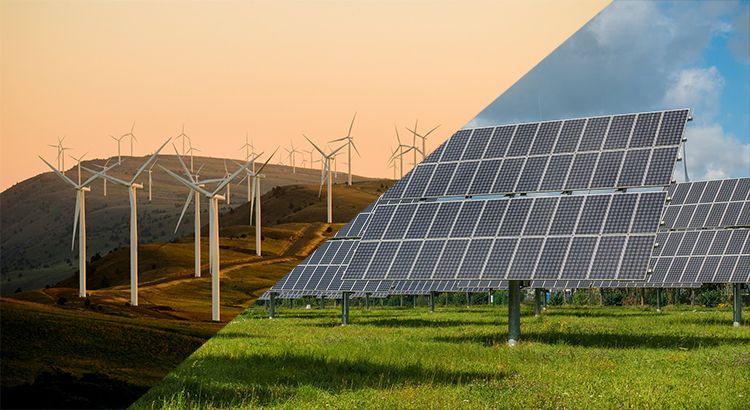
Among the various types of renewable energy sources, solar and wind energy are the most prominent due to their significant potential and declining costs. Solar energy harnesses sunlight through photovoltaic cells and solar thermal systems, thus converting solar radiation into electricity or heat. Wind energy, on the other hand, captures the kinetic energy from wind using turbines, converting it into electrical power. Both energy sources are abundant and widely available across the globe, making them prime candidates for large-scale energy generation.
AD
The shift towards renewable energy sources, including solar and wind, is driven by the need to reduce greenhouse gas emissions and minimize the environmental impact associated with traditional energy production. Moreover, as technology advances, the efficiency and scalability of these alternatives continue to improve, allowing them to become feasible options for countries seeking to transition to cleaner energy systems. This transition is not just a matter of environmental necessity but also offers economic opportunities, job creation, and advancements in energy technology.
As we explore the comparison between solar energy and wind energy throughout this blog post, it is essential to recognize the contribution each makes toward a sustainable future. Understanding the strengths, weaknesses, and potential applications of these renewable energy sources is paramount in the pursuit of a greener, more sustainable planet.
Understanding Solar Energy
Solar energy is a renewable energy source that is derived from the sun’s radiation. This form of energy can be harnessed using various technologies, the most common being solar panels equipped with photovoltaic (PV) cells. These cells are key components in solar energy systems, converting sunlight directly into electricity through the photovoltaic effect, a process that occurs when light photons excite electrons in the cell material, generating an electric current.
Solar panels are typically composed of multiple PV cells fabricated from semiconductor materials such as silicon. When sunlight strikes the cells, its energy is absorbed, creating an electric field across the layers of the cell. This electric field causes electrons to flow, producing direct current (DC) electricity. To make this electricity usable for homes and businesses, an inverter is employed to convert DC into alternating current (AC), which is the standard form of electricity used in most electrical appliances.
There are various types of solar panels, including monocrystalline, polycrystalline, and thin-film systems, each offering distinct advantages and efficiencies. Monocrystalline panels are known for their high efficiency and long lifespan, while polycrystalline panels are generally less expensive but may have lower efficiencies. Thin-film solar panels, on the other hand, are lightweight and flexible, making them suitable for various applications where traditional panels might not fit.
In addition to standard solar PV systems, other technologies such as concentrated solar power (CSP) are used to harness solar energy. CSP systems utilize mirrors or lenses to concentrate sunlight onto a small area, generating heat that can then be converted into electricity. Overall, solar energy systems provide a versatile solution for generating electricity and contribute significantly to reducing reliance on fossil fuels, thereby promoting a cleaner environment.
Understanding Wind Energy
Wind energy is a derived form of solar energy, harnessed through the utilization of wind turbines that convert the kinetic energy from wind into electrical energy. This conversion takes place through a sophisticated mechanism where the wind’s movement causes the blades of the turbine to rotate. The rotational force then drives a generator situated within the turbine, consequently producing electricity.
There are primarily two types of wind energy systems: onshore and offshore installations. Onshore wind farms are typically situated on land and are more common due to their lower construction and maintenance costs. These installations can be found in various terrains, such as hills or open fields, where wind conditions are favorable. Contrarily, offshore wind farms are built in bodies of water, typically on continental shelves, and benefit from more consistent and stronger wind patterns. Despite their higher installation costs, offshore wind turbines have the potential to generate significantly more energy, due to the unobstructed winds over ocean surfaces.
Both types of wind energy systems operate on similar principles, whereby the blades of the wind turbine capture wind energy, resulting in the turbine blades spinning around a rotor, all of which is connected to a generator. The energy produced is then transmitted through power lines for use in homes, businesses, and industries. The growing adoption of wind energy systems highlights their potential to reduce dependence on fossil fuels and minimize greenhouse gas emissions, making them a critical component in the transition to sustainable energy practices.
Comparative Analysis of Energy Efficiency
Energy efficiency plays a crucial role in the debate between solar energy and wind energy, as both sources offer unique advantages and challenges in harnessing natural forces for electricity production. To effectively evaluate the energy efficiency of solar and wind energy, several factors need to be examined, including energy production rates, capacity factors, and the levelized cost of electricity.
Firstly, energy production rates vary significantly between solar and wind systems. Solar panels typically generate electricity during daylight hours, leading to a peak production primarily influenced by sunlight availability. In contrast, wind turbines generate energy based on wind speed, often producing power during both day and night depending on the geographical location. This intrinsic variability in energy production can significantly impact the overall efficiency of each energy source.
Moreover, capacity factors—a crucial measure of how often an energy facility operates at maximum output—differ between solar and wind technologies. For solar energy systems, capacity factors range from 15% to 25%, reflecting the intermittent nature of sunlight. Conversely, wind energy facilities generally have higher capacity factors, often exceeding 30%, particularly in regions with consistent wind patterns. This difference suggests that wind energy may produce a more reliable and continuous power supply compared to solar energy.
Additionally, the levelized cost of electricity (LCOE) is a critical metric used to compare the economic efficiency of energy production methods. Recent studies indicate that the LCOE for both solar and wind energy has declined significantly over the years due to technological advances and economies of scale. As of now, both energy sources have competitive LCOE figures, but regional variations and installation costs can influence the overall economic feasibility of adopting solar versus wind technologies.
In summary, while both solar and wind energy possess distinct efficiency characteristics, the choice between them relies heavily on specific project goals, regional resource availability, and cost considerations. Each energy source contributes to a sustainable energy landscape when optimized for effective implementation.
Environmental Impact of Solar and Wind Energy
The environmental impacts of solar energy and wind energy are critical to consider when assessing the sustainability of renewable energy sources. Both forms of energy have unique attributes that influence their ecological footprint, including land use, effects on wildlife, and resource conservation throughout their lifecycle.
Starting with land use, solar energy systems typically require substantial space for installation. Solar farms can occupy large areas, potentially leading to habitat disruption. However, advancements in technology have paved the way for dual-use strategies such as agrivoltaics, where agricultural activities can coexist with solar panels, minimizing the negative implications on land and wildlife. In contrast, wind farms also require significant land, although they allow for the continued use of the land for agriculture or grazing underneath turbine installations.
When evaluating the effects on wildlife, wind energy presents notable challenges, particularly concerning bird and bat mortality due to collisions with turbine blades. Research indicates that proper siting and technological improvements can mitigate these risks. Solar installations, while less impactful on avian mortality, may still disrupt local ecosystems and affect habitats—especially in sensitive areas. Comprehensive environmental assessments are thus essential to ensure minimal impact on biodiversity for both energy sources.
Resource conservation is another critical factor in this comparison. Solar energy production generally requires less water than fossil fuel-based energy and some wind energy systems. The materials used in solar panel manufacturing, however, necessitate a careful evaluation of resource extraction practices and lifecycle management. In summary, both energy sources present environmental implications that warrant thorough investigation. By analyzing land use, wildlife impacts, and resource conservation, we can gain insights into the broader sustainability of solar and wind energy within the renewable energy landscape.
Economic Considerations and Job Creation
In evaluating the transition towards renewable energy sources, the economic implications of solar and wind energy play a crucial role. Initial investment costs represent a significant barrier in both sectors. Generally, solar energy systems necessitate a higher upfront investment due to the expense of solar panels and the required installations. Conversely, wind energy projects can initially be costly as well, particularly regarding the infrastructure needed for turbines and the land required for their placement. However, the declining costs associated with both technologies have made them increasingly accessible.
Operational expenses further influence the long-term financial viability of these energy sources. Solar energy systems often incur lower maintenance costs once installed, leading to reduced operational expenses over time. In contrast, wind energy systems may face higher maintenance costs due to moving parts and potential mechanical failures. Nonetheless, both energy solutions benefit from technological advancements that drive down ongoing expenses, ultimately leading to improved profitability.
The role of government subsidies and financial incentives cannot be understated in this discussion. Many regions have implemented tax credits, grants, and other financial support mechanisms to encourage investment in renewable energy. This financial backing not only assists in offsetting initial costs but also bolsters the economic attractiveness of solar and wind energy in the marketplace.
Furthermore, the potential for job creation within the renewable energy sector is substantial. Both solar and wind industries are labor-intensive, providing numerous employment opportunities from manufacturing to installation and maintenance. According to recent studies, the solar sector is known to create more jobs per unit of electricity generated when compared to fossil fuels, while wind energy also demonstrates significant job potential through consistent growth in the sector. As these industries continue to evolve, they will likely remain pivotal in creating sustainable job growth and economic stability.
Technological Advancements and Innovations
Both solar energy and wind energy have experienced significant technological advancements in recent years, resulting in enhanced efficiency, reduced costs, and improved energy storage capabilities. These innovations are pivotal in driving the global transition towards renewable energy sources, making them more accessible and sustainable.
In the realm of solar energy, innovations such as bifacial solar panels have emerged. These panels are designed to capture sunlight on both the front and back surfaces, significantly increasing energy production. Additionally, advancements in thin-film solar technology have enabled the development of lighter and more flexible solar cells, expanding their applicability in various environments. Moreover, the integration of smart grid technology in solar energy systems allows for better management of energy distribution, optimizing the use of generated power and enhancing the overall grid stability.
Similarly, the wind energy sector has witnessed remarkable innovations. Turbines have become more efficient due to advancements in blade design and materials, allowing them to harness more wind energy even at lower wind speeds. Floating wind farms represent another groundbreaking advancement, enabling the placement of wind turbines in deep waters where the wind is more consistent and powerful, therefore maximizing energy production. Additionally, the incorporation of artificial intelligence (AI) in wind energy management has revolutionized predictive maintenance and operational efficiency, ensuring the turbines function at their optimal capacity.
Energy storage is another crucial area where both sectors are advancing. The development of high-capacity battery systems, including lithium-ion and more recently, solid-state batteries, is enhancing the ability to store solar and wind energy for use during low production periods. This capability is vital for addressing the intermittency challenges associated with renewable energy sources. Innovations in grid integration technologies are also facilitating a smart energy ecosystem, empowering consumers and grid operators to manage resources dynamically and efficiently.
Challenges and Limitations
Both solar and wind energy have emerged as critical components in the transition towards sustainable power sources. However, each technology is not without its challenges and limitations. One significant hurdle for both renewable energy systems is intermittency. Solar energy generation is inherently dependent on sunlight, which means that its efficiency fluctuates throughout the day and is non-existent during cloudy weather or at night. Similarly, wind energy generation is subject to the availability of wind, which can be unpredictable and varies significantly by location and season. This variability leads to significant challenges in maintaining a stable energy supply.
The intermittency of solar and wind energy necessitates robust energy storage solutions to ensure a continuous supply of electricity. Currently, battery technology, while advancing, remains expensive and may not meet large-scale energy storage needs effectively. This reliance on energy storage systems introduces an additional layer of complexity and potential cost to the overall efficiency of renewable energy systems. Furthermore, geographic limitations pose another critical challenge. Not all regions are suitable for solar panels or wind turbines due to factors such as climate, terrain, and land availability. This restricts the geographical deployment of these technologies, hindering widespread adoption.
Another notable issue is the integration of solar and wind energy into existing power grids. Traditional grids were designed primarily for centralized, fossil fuel-based generation. The decentralization of electricity production with renewables can complicate grid management, necessitating upgrades and enhancements to accommodate variable energy inputs. These upgrades can entail significant financial investments and policy frameworks that have yet to be fully realized. The transition to renewable energy is promising, but it comes with considerable challenges that must be addressed to ensure a reliable and efficient energy future.
Conclusion and Future Outlook
As the world increasingly shifts towards renewable energy sources, both solar energy and wind energy stand out as pivotal players in the transition to a sustainable future. This comprehensive comparison highlights that while both energy types share common goals of reducing greenhouse gas emissions and dependence on fossil fuels, they also possess unique strengths and challenges. Solar energy, with its versatility and rapid cost reductions, continues to experience substantial growth. Innovations in photovoltaic technology and energy storage solutions have further accelerated its adoption, making solar a cornerstone in the renewable energy mix.
Meanwhile, wind energy has also demonstrated remarkable growth, particularly in offshore projects, where wind turbines can harness more consistent and powerful winds. As efficiency improves and costs decline for wind energy technologies, it is becoming increasingly competitive with traditional energy sources. The geographic and climatic advantages of wind energy can complement solar, thereby maximizing energy production across different regions.
Looking ahead, significant advancements in technology and policy will play a crucial role in shaping the future of both sectors. The integration of smart grid technologies and improvements in battery storage solutions can facilitate a more efficient interplay between solar and wind energy, allowing for greater energy reliability and security. Furthermore, government support and investment in infrastructure will be essential to promote growth in renewable energy installations.
Ultimately, the combined potential of solar energy and wind energy offers a viable pathway to combat climate change and work towards a sustainable energy future. Stakeholders within industries, governments, and communities must collaborate to harness the full potential of these resources, ensuring a cleaner, greener planet for generations to come.