

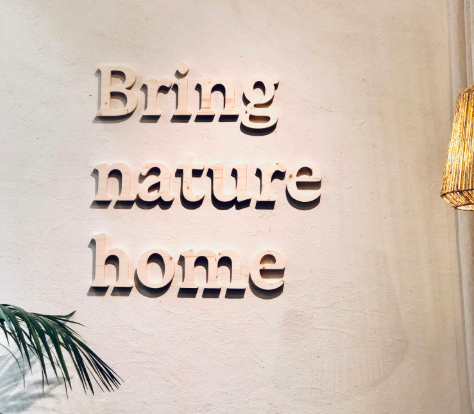
Introduction to Nature-Inspired Decor
In recent years, there has been a marked shift in home decor trends towards incorporating elements inspired by nature. This approach to interior design emphasizes the use of organic materials, earthy colors, and natural patterns. By fostering a close connection to the outdoors, nature-inspired decor not only enhances the aesthetic appeal of living spaces but also nurtures emotional well-being and a sense of tranquility.
The significance of nature-inspired home decor in today’s world can be attributed to several key factors. First, as urban spaces continue to expand, many individuals find themselves disconnected from nature. This disconnection can lead to increased stress levels and a diminished sense of well-being. Incorporating natural elements into home environments can help mitigate these feelings by providing a soothing, calming atmosphere. Research indicates that exposure to natural materials and design can reduce stress and improve mood, making this decor style particularly relevant in contemporary lifestyle.
Furthermore, nature-inspired decor aligns with the growing interest in sustainability and eco-friendliness. As more individuals seek ways to live harmoniously with the environment, choosing decor that utilizes sustainable materials helps promote a greener lifestyle. This includes selecting furniture made from reclaimed wood, textiles dyed with natural pigments, and decorative accessories crafted from organic materials. By integrating these elements into home decor, individuals can reflect their values and commitment to protecting the planet.
In summary, nature-inspired home decor serves as a meaningful way to enhance living spaces while nurturing personal well-being. By thoughtfully incorporating natural materials and designs, individuals can create tranquil environments that promote relaxation and sustainability.
Biophilic Design: Bringing the Outdoors In
Biophilic design is a concept rooted in the desire to connect with nature, promoting wellbeing and enhancing quality of life through the incorporation of natural elements into the built environment. This design philosophy merges architecture with nature, offering an innovative approach to indoor spaces. By embracing biophilic design principles, homeowners can create environments that reflect the outdoors, providing both visual and experiential connections to nature.
Fundamentally, biophilic design emphasizes the use of natural materials, colors, forms, and light. Incorporating wood, stone, and natural textiles can evoke a sensory connection to the earth. Additionally, the use of color palettes that mimic nature—such as greens, browns, and blues—can create serene spaces. Water features, like fountains or aquariums, also enhance the ambiance while contributing to a calming environment.
Potted plants are a practical and popular method of integrating biophilic elements. Recent studies indicate that having greenery indoors can improve mood and cognitive function, reduce stress, and promote creativity. Consider using a variety of indoor plants to create dynamic arrangements that replicate the feeling of a lush outdoor space. Vertical gardens or living walls are other effective solutions, especially in smaller spaces where traditional planting may not be feasible.
Natural light is crucial in biophilic design. Maximizing window space or using skylights can provide abundant sunlight, which not only enhances the aesthetic appeal but also allows for the growth of plants indoors. Additionally, sauntering through spaces decorated with natural light can evoke feelings of openness and tranquility.
Lastly, form and spatial configurations also play a critical role. Designing spaces that allow for fluid movement, open sightlines, and natural ventilation can create a seamless transition between indoor and outdoor environments. This connection encourages not only physical interaction with nature but also supports mental and emotional health.
Natural Materials: Wood, Stone, and Textiles
In contemporary home decor, the utilization of natural materials such as wood, stone, and organic textiles has gained substantial traction. These elements not only offer aesthetic appeal but also enhance the durability of interiors, providing a timeless quality that synthetic alternatives often lack.
Wood, with its various species and finishes, brings warmth and character to spaces. Whether opting for reclaimed wood to promote sustainability or choosing hardwood for its longevity, the versatility of wood allows it to fit seamlessly into any decor style. From rustic beams to polished tabletops, wood encourages a connection to nature while ensuring a sturdy presence in the home.
Similarly, stone serves as a robust element that introduces texture and elegance. Natural stone options such as marble, granite, or slate can be incorporated in regions ranging from countertops and flooring to accent walls. Their inherent durability makes them ideal for high-traffic areas, as well as their ability to blend with other natural materials harmoniously.
Furthermore, organic textiles such as cotton, linen, and wool provide comfort and warmth while minimizing environmental impact. Choosing materials certified by organizations championing sustainability can greatly influence the overall ecological footprint of home furnishings. Textiles also allow for creativity through patterns and colors, making it easy to integrate nature-inspired designs into various rooms.
For those looking to incorporate these natural elements into their homes, sourcing eco-friendly materials can be achieved through local artisans, certified suppliers, or sustainable brands that prioritize environmental responsibility. By making thoughtful choices regarding the materials used in home decor, one can create a serene, inviting atmosphere that reflects nature’s beauty while also promoting a healthier planet.
Earthy Color Palettes: Shades Inspired by Nature
As the emphasis on creating serene and inviting spaces continues to grow, the use of earthy color palettes has emerged as a leading trend in home decor. These palettes are inspired directly by the natural world, offering a spectrum of hues that reflect the beauty found in landscapes, forests, and terrain. Rich browns, muted greens, warm terracotta, and soft greys create a calming ambiance that helps to ground the living environment.
Colors drawn from nature not only foster a sense of tranquility but also enhance emotional well-being and connection to the surroundings. For instance, deep forest greens evoke the feeling of being enveloped by trees, while sandy beiges can mimic the warmth of a desert landscape. Similarly, gentle blues can represent expansive skies or flowing waters, bringing a refreshing touch to indoor spaces.
When integrating earthy tones into interior design, consider blending various shades for a harmonious look. A muted olive green can effortlessly pair with soft taupe, while terracotta accents can be introduced through artwork or decorative items. Layering these colors adds depth and warmth, transforming a room into a sanctuary.
In addition to paint choices, furniture and textiles can be utilized to enhance these earthy palettes. Wooden elements, particularly those featuring natural finishes, further accentuate the organic feel of the space. Natural fabrics such as linen, cotton, and wool contribute to a textured look while maintaining a connection to nature.
Ultimately, adopting earthy color palettes into home decor not only nurtures a peaceful environment but also encourages a sustainable lifestyle. By borrowing inspiration from nature and seamlessly incorporating these shades, one can create a space that is not only beautiful but also emotionally resonant.
Indoor Plants: The Green Revolution in Decor
In recent years, there has been a significant shift in home decor trends as more individuals embrace the incorporation of indoor plants into their living spaces. This ‘green revolution’ not only enhances the aesthetic appeal of homes but also offers a multitude of benefits that contribute to a healthier indoor environment. Studies indicate that indoor plants can improve air quality by reducing pollutants, increasing humidity, and providing oxygen, which is particularly vital in urban settings where outdoor greenery may be limited.
When selecting indoor plants, it is essential to consider factors such as the amount of natural light available in each room, your lifestyle, and the specific characteristics of various plant species. For instance, the snake plant, known for its resilient nature, thrives in low light conditions and requires minimal care. Conversely, the fiddle leaf fig is an excellent choice for brighter spaces but might necessitate more attention due to its sensitivity to changes in environment. Other popular options include pothos, spider plants, and peace lilies, each offering unique textures and colors to enhance interior design.
Maintaining indoor plants can be straightforward with a few basic tips. Regular watering, appropriate fertilization, and monitoring for pests are essential components of plant care. Additionally, ensuring that each plant is placed in a suitable pot with adequate drainage can prevent root rot and promote longevity. Incorporating plants into your decor is not merely about aesthetics; it also fosters a sense of connection to nature, which can be particularly calming in our fast-paced lives.
Ultimately, the integration of indoor plants into our homes reflects a growing awareness of sustainable living practices, where the focus is not only on beauty but also on promoting well-being. By thoughtfully selecting and caring for indoor plants, individuals can transform their environments into lush, rejuvenating spaces that celebrate the natural world.
Natural Light and Open Spaces: Enhancing Brightness
In interior design, the elements of natural light and open spaces play a pivotal role in establishing a harmonious environment in our homes. Natural light not only enhances the aesthetic appeal of a space but significantly contributes to the well-being of its inhabitants. Research suggests that maximizing natural light in living spaces can improve mood, boost productivity, and promote overall mental health. Thus, incorporating strategies to increase daylight penetration is essential to modern home decor.
One effective method to maximize light in your home is through the use of large windows, which invite sunlight in and create a seamless connection with the outdoors. Skylights also serve as an excellent solution, allowing natural light to filter into areas that might lack direct access to exterior windows. Additionally, the strategic placement of mirrors can reflect light, further brightening the room and creating a sense of spaciousness.
Embracing open spaces is equally crucial in contemporary design. Open floor plans not only allow for more natural light to travel freely throughout the home but also encourage social interactions and a sense of community among family members. Removing unnecessary walls can dramatically alter the atmosphere, fostering an environment that feels airy and inviting. Furthermore, using lighter color palettes on walls and furnishings can amplify the effects of natural light, making spaces feel larger and more vibrant.
Investing in these design elements leads to living environments that are not just visually appealing but also beneficial for mental health. A space infused with natural light and characterized by openness can create a calming sanctuary, enhancing one’s quality of life. As we continue to embrace nature-inspired decor, prioritizing natural light and open spaces remains a fundamental trend that profoundly impacts our daily experiences.
Nature-Inspired Artwork and Textiles
Incorporating nature-inspired artwork and textiles into home decor can create a tranquil atmosphere and provide a refreshing aesthetic. These artistic expressions draw on the beauty of the natural world, offering a variety of options that can enhance the interior design of any space. Homeowners and designers often look towards landscapes, botanical illustrations, and abstract patterns influenced by nature as key components in curating a harmonious environment.
Nature-themed paintings, which can range from serene pastoral scenes to vivid portrayals of flora and fauna, add depth and color to walls. They serve not only as focal points but also as conversation starters, invoking a sense of peace and connectivity with the environment. Additionally, nature-inspired prints in textiles—such as cushions, curtains, and area rugs—bring the outdoors inside. Fabrics featuring leaf patterns, floral motifs, or earthy color palettes can complement various decor styles, from bohemian to minimalist.
Choosing the right artwork and textiles involves consideration of the existing color scheme and overall design theme of the home. For instance, incorporating green and brown tones can evoke a calming forest environment, while vibrant blues and yellows can mimic a bright sunny day by the beach. Furthermore, layering different materials and prints can create textural interest, making a living space feel more inviting. Selecting eco-friendly fabrics and sustainably sourced artwork also enhances the nature-loving aesthetic, aligning one’s home decor choices with environmentally conscious trends.
The impact of nature-inspired artwork and textiles extends beyond mere decoration; they communicate the homeowner’s personal values and love for the outdoors. Through thoughtful curation, these elements can transform any room into a serene retreat that celebrates the beauty of the natural world.
Sustainable Practices in Home Decor
In contemporary home decor, sustainability has emerged as a pivotal component, reflecting a growing awareness of environmental issues. Recognizing the impact that design choices have on the planet is essential for those who wish to create spaces that harmonize with nature. By incorporating sustainable practices, homeowners can contribute positively to the environment while embracing nature-inspired aesthetics.
One of the primary ways to promote sustainability in home decor is through the selection of eco-friendly materials. Utilizing natural materials such as reclaimed wood, bamboo, and organic textiles reduces the carbon footprint associated with manufacturing and transportation. These materials not only align seamlessly with nature-driven themes but also provide a warm and inviting ambiance.
Moreover, opting for locally sourced products can significantly enhance the sustainability of decor choices. By supporting nearby artisans and businesses, consumers can minimize transportation emissions and stimulate the local economy. Handcrafted items, such as pottery or furniture made by local craftsmen, often reflect the cultural heritage of the area, adding unique character to one’s home.
Another vital practice is the incorporation of energy-efficient appliances and lighting. By selecting products that consume less energy, homeowners reduce their overall energy usage and contribute to a lower carbon footprint. Additionally, utilizing natural light effectively can help create bright, airy spaces that reduce the need for artificial lighting, thus enhancing the connection to the outdoors.
In summary, implementing sustainable practices in home decor not only reflects a commitment to environmental stewardship but also enhances the aesthetic appeal of a home. Homeowners can achieve this balance by choosing eco-friendly materials, supporting local artisans, and utilizing energy-efficient solutions. This approach not only fosters a serene living environment but also cultivates an ethos of caring for the planet.
Conclusion: Embracing Nature in Every Day Decor
Integrating elements of nature into home decor is increasingly recognized as a vital aspect that enhances quality of life. The trends discussed in this article reflect a broader movement towards creating spaces that nurture well-being, tranquility, and a sense of connection to the natural world. By weaving in thoughts of sustainability, organic materials, and earthy tones, homeowners can foster environments that promote relaxation and comfort.
The incorporation of natural elements invites life into our living spaces, reminding us of the beauty and stability that nature offers. From utilizing botanical prints to selecting furniture crafted from sustainably sourced wood, these choices contribute to a nurturing atmosphere. Moreover, nature-inspired decor is not only visually appealing but also profoundly beneficial for mental health, encouraging a sense of calm and emotional balance.
As we have explored, each trend provides different avenues to embrace nature’s beauty. Whether through the introduction of houseplants, the use of natural fibers in textiles, or the emphasis on open, airy spaces filled with light, the possibilities for transformation are vast. Furthermore, incorporating natural elements fosters mindfulness and sustainability, encouraging us to make thoughtful choices about the materials we surround ourselves with.
In conclusion, embracing nature in everyday decor is a powerful way to enhance our living environments. By exploring and implementing these ideas within their own spaces, readers can create personal sanctuaries that reflect serenity and authenticity. A home that resonates with natural inspirations is a step toward a well-rounded and fulfilling life, harmonizing the comforts of modern living with the peace found in the great outdoors.