

Introduction to Technology in Sports Training
In contemporary athletic training, technology has become an integral component, redefining how athletes prepare for competition. The integration of technology in sports training allows for a wider range of tools and methodologies that enhance performance, optimize training regimens, and provide valuable data analytics. Athletes and coaches alike are leveraging various technological advancements to not only track progress but also to tailor training programs that meet individual needs.
One of the key aspects of this technological integration is the use of wearable devices. These gadgets, including heart rate monitors, GPS trackers, and motion sensors, facilitate real-time data collection that informs athletes about their physical conditions. This data-driven approach enables athletes to train more efficiently by identifying strengths and weaknesses, thus refining their techniques and enhancing overall performance.
Moreover, technology in sports training extends beyond wearables. The rise of virtual training environments and applications has introduced innovative ways for athletes to practice and improve their skills. For example, virtual reality (VR) allows athletes to immerse themselves in simulated environments, providing opportunities for mental conditioning and strategy development without the physical limitations often encountered during actual practice sessions.
Additionally, analytics software plays a pivotal role in sports training by offering detailed insights into performance metrics. Coaches utilize these analytical tools to compare performance data over time, adjust training intensities, and identify potential injury risks. As athletes begin to understand and analyze their metrics, they cultivate a more profound awareness of their bodily responses during training, helping them make informed decisions about their workouts and recovery strategies.
The ongoing evolution of technology in sports training continues to inspire innovations that encourage smarter approaches to athletic performance. The potential benefits of integrating technology into training are vast, prompting a greater focus on efficiency and the overall effectiveness of both training schedules and performance outcomes. In the following sections, we will delve into specific technological tools and methods that are revolutionizing how athletes train.
Wearable Technology: Tracking Performance
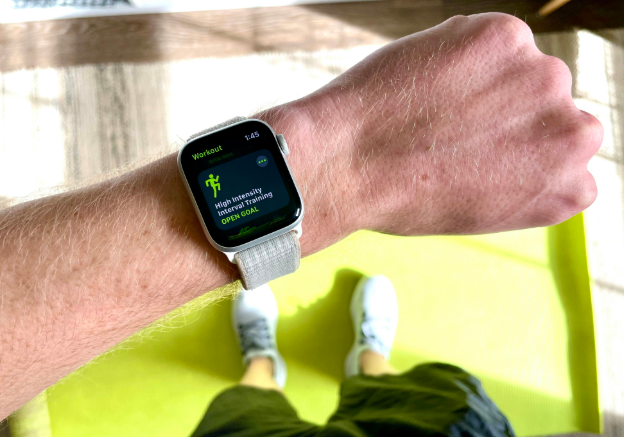
In recent years, wearable technology has emerged as a transformative element in the world of athletics. Devices like fitness trackers, smartwatches, and heart rate monitors have become essential tools for athletes seeking to enhance their training regimens. These wearable devices provide real-time data that can significantly influence an athlete’s performance, aid in recovery, and tailor training programs to individual needs.
Fitness trackers serve as an entry point into the realm of wearables, equipped with sensors that monitor various physical activities such as steps taken, calories burned, and distance traveled. This data empowers athletes to set realistic goals, track progress, and stay motivated throughout their training. By analyzing statistics over time, athletes can identify trends in their performance and make informed adjustments to their routines.
Smartwatches have expanded the capabilities of traditional fitness trackers by integrating advanced features like GPS navigation and smartphone notifications. This connectivity allows athletes to stay engaged with both their performance metrics and daily communications without distraction during workouts. Furthermore, many smartwatches offer customizable training programs, which adapt based on the athlete’s performance and fitness goals.
Heart rate monitors are crucial for assessing cardiovascular performance, enabling athletes to train within specific intensity zones. Monitoring heart rate can help athletes identify when to push harder or when to prioritize rest and recovery. The seamless integration of these metrics through wearables enhances the overall training experience.
Ultimately, the rise of wearable technology represents a significant advancement in how athletes approach their training, enabling them to monitor their physical performance and track health metrics with unprecedented accuracy. By harnessing the data provided by these devices, athletes can train smarter, leading to improved performance, reduced injury risk, and overall enhanced athletic capabilities.
Data Analytics: Making Informed Decisions
Data analytics plays a crucial role in modern sports, allowing athletes and coaches to make informed decisions regarding training and performance. Through the utilization of various tools and technologies, the analysis of performance metrics offers valuable insights into an athlete’s capabilities. By examining a plethora of data, including speed, endurance, agility, and even psychological factors, decision-makers in sports can foster a targeted training regimen tailored to individual needs.
One of the primary advantages of integrating data analytics into training is the ability to identify both strengths and weaknesses of an athlete. For instance, the use of wearable technology can track crucial performance indicators during practice and competitive events. These insights help coaches understand an athlete’s performance patterns and adjust training techniques accordingly. By focusing on underperformance areas, athletes can work on improving specific skills, such as reducing reaction time or enhancing stamina. Furthermore, advanced statistical models can predict future outcomes and performance improvements based on historical data.
Moreover, data analytics has revolutionized the way teams scout potential recruits. By assessing an athlete’s statistical performance over time, teams can identify promising talent that aligns with their strategic goals. Analyzing data against league averages or past performances allows coaches to compare potential recruits on a quantitative basis, thereby making strategic selection decisions that could impact the overall team performance.
In summary, the integration of data analytics into sports training processes is transformative. By leveraging performance data, athletes can optimize their training regimens while coaches can make data-driven decisions that enhance overall effectiveness. This approach not only leads to improved athletic performance but also contributes to the evolution of training methodologies in sports.
Virtual Reality and Simulations: Enhancing Skills
In recent years, the integration of virtual reality (VR) and simulation technologies into athletic training has marked a significant advancement in how athletes develop their skills. These innovative tools provide a unique platform for athletes to enhance their performance in a controlled and safe environment. By simulating real-world conditions, athletes can practice scenarios they might encounter during competition without the associated risks of physical trials.
For example, in sports such as football, VR technology allows players to immerse themselves in game scenarios, enabling them to analyze plays, improve their decision-making processes, and refine their reflexes. Quarterbacks can utilize VR to visualize complex defensive strategies, allowing them to make better split-second decisions during actual games. This form of training not only enhances cognitive skills but also sharpens motor skills, as players are required to react swiftly to simulated conditions that mimic live matches.
In addition to improving technical skills, VR training has proven effective in psychological preparation. Athletes can practice under pressure, facing virtual opponents in high-stress scenarios that increase their mental resilience. The ability to repeat these simulations provides athletes with an opportunity to build confidence and familiarity with stressful situations, which can be crucial for peak performance during actual competitions.
The use of simulations is not limited to individual sports; teams also benefit significantly. Coaches are leveraging VR technology to conduct strategic analysis sessions where team players can rehearse plays collaboratively in a virtual setting. This promotes teamwork and helps teams develop a cohesive understanding of their game plans.
As technology continues to evolve, the potential for virtual reality in sports training will likely expand even further. By incorporating these advanced methods, athletes can train smarter, demonstrating that the future of sports training lies in the successful fusion of technology and traditional practice.
Biomechanics and Movement Analysis
In the realm of sports science, biomechanics plays a crucial role in enhancing athletic performance and ensuring athlete safety. By utilizing advanced technology, sports professionals can analyze movement patterns with greater precision. Motion capture systems, which use multiple cameras to track an athlete’s movements in real time, allow for a detailed examination of mechanics. Each segment of the body can be assessed, identifying areas that may predispose athletes to injury or limit their performance.
Moreover, the integration of specialized software further simplifies the process of movement analysis. Biomechanical analysis tools can interpret the data collected from these motion capture systems by calculating variables such as joint angles, velocity, and acceleration. This information is invaluable for developing tailored training programs aimed at improving overall technique. For instance, if an athlete is found to have improper alignment during a specific movement, coaches can adjust their training methods to rectify this fault, thus reducing the risk of injury in the long run.
In addition to preventing injuries, biomechanics allows athletes to refine their skills and reach peak performance. By assessing an athlete’s kinetic and kinematic variables, coaches can provide immediate feedback. This real-time data informs modifications to technique, which can accelerate the learning curve and enhance performance outcomes. Moreover, as technology advances, the use of wearable devices that monitor movement in training sessions is becoming increasingly popular. These devices offer continuous feedback, allowing athletes to make necessary adjustments proactively.
Ultimately, the marriage of biomechanics with modern technology transforms how athletes approach their training regimens. As we continue to harness these technological advancements, it becomes increasingly clear that the future of athletics hinges on the ability to analyze and optimize human movement effectively.
Nutrition Technology: Fueling Performance
In the realm of sports, nutrition serves as a critical pillar for optimal performance. With advances in technology, athletes now have access to innovative tools and applications designed to enhance their dietary habits. These technologies provide athletes with the means to meticulously track their nutritional intake and tailor their diets to meet the specific demands of their training regimes and competitive events.
One of the most widely adopted forms of nutrition technology is mobile applications that facilitate the logging of food intake. These apps not only allow athletes to document what they eat but also analyze macronutrient distribution, caloric value, and micronutrient intake. By offering features such as barcode scanning, meal suggestions, and personalized feedback, these applications empower athletes to make informed dietary choices that align with their performance goals.
Additionally, wearable devices have extended the capabilities of nutrition technology. These devices can track physical activity and correlate it with dietary intake, ensuring athletes are consuming the right foods to support their energy expenditure. For instance, smartwatches can monitor heart rates and estimated calorie burn during workouts, providing valuable insights that athletes can use to adjust their nutrition strategies in real-time.
Furthermore, advancements in artificial intelligence are paving the way for even more personalized nutrition plans. AI-driven platforms can analyze an athlete’s unique physiology, training schedule, and preferences to create optimized meal plans. Such technology considers variables such as allergies, food sensitivities, and desired outcomes, ensuring athletes follow a nutritional plan that maximizes both health and performance.
As athletes continue to leverage these innovative nutrition technologies, they gain a competitive edge. This focus on tailored nutrition not only fuels their physical performance but fosters a more profound understanding of how dietary choices impact overall well-being. By incorporating technology into their nutrition strategies, athletes enhance their preparation for both training and competition.
Recovery Tech: Enabling Better Rest and Repair
In the realm of athletic performance, recovery is just as crucial as the training itself. Advanced recovery technologies have emerged as valuable tools that support athletes in minimizing downtime caused by injuries and fatigue while accelerating healing processes. Notably, innovations such as cryotherapy, compression gear, and electronic stimulation devices have gained popularity for their effectiveness in enhancing recovery.
Cryotherapy, or cold therapy, involves exposing the body to extremely cold temperatures for short durations, which helps to reduce inflammation and muscle soreness. Athletes utilize this method to promote faster recovery between intense training sessions and competitions. The reduction of blood flow to areas of inflammation allows the muscle fibers to repair efficiently, leading to improved performance levels and reduced chances of injury.
Compression gear enhances blood circulation and supports muscle stabilization. These garments are designed to fit snugly on specific body parts, which aids in reducing muscle oscillation during physical activity. Enhanced blood circulation can expedite the removal of metabolic waste products, helping athletes recover more effectively post-exercise. As a result, investing in quality compression wear has become a staple for many athletes looking to enhance their performance and recovery outcomes.
Furthermore, electronic stimulation devices work by delivering electrical impulses to muscles, mimicking the natural contraction of muscles during exercise. These devices contribute to muscle relaxation and reduce tension, allowing the body to recover more efficiently. Athletes use modulation techniques from these devices to aid in pain relief, muscle recovery, and overall rehabilitation processes.
Incorporating these advanced recovery technologies into training regimens has proven to enhance athletic outcomes significantly. Athletes can not only perform better but also experience longer careers, thanks to the integration of innovative recovery tools. As technology continues to evolve, it is likely that even more effective recovery solutions will emerge, further transforming the landscape of sports performance.
Social Media and Community Engagement
In recent years, social media has transformed the way athletes communicate with fans and each other. Platforms such as Instagram, Twitter, and Facebook offer athletes a unique opportunity to showcase their training regimens, share insights, and connect with a broader audience. The rise of these digital platforms has facilitated the creation of virtual communities where athletes can engage with their peers, fostering a culture of collaboration and motivation.
By integrating social media into their training routines, athletes can document their progress, share successes, and discuss challenges. This sharing not only inspires their followers but also allows them to receive valuable feedback from their community. Athletes often post workout videos, which enables others to learn new techniques or modify their routines based on shared experiences. In essence, these online platforms become an extension of their training environment, where ideas and practices are exchanged freely.
Moreover, social media serves as a powerful tool for athletes to connect with fans, turning traditional one-way communication into an interactive dialogue. By engaging with their audience, athletes can build a loyal fan base that offers support, encouragement, and motivation. This connection is reciprocal; fans often stimulate athletes to push their limits, maintaining a level of accountability that is crucial during rigorous training periods.
This fusion of community engagement and social media exemplifies a modern approach to athletic training. As athletes share their journeys online, they cultivate a culture of learning and adaptation within their sports. Digital communities play an integral role in enhancing training, providing not just motivation but also a platform for continuous improvement. Embracing these tools effectively allows athletes to become not only better competitors but also influential figures within their respective sports.
The Future of Technology in Sports Training
As we move further into the 21st century, the landscape of sports training is set to be transformed dramatically by emerging technologies such as artificial intelligence (AI) and machine learning. These advancements are anticipated to enhance how athletes prepare for their respective sports, offering unprecedented insights and training methodologies that were previously unimaginable.
One of the most compelling aspects of AI in sports training is its ability to analyze vast amounts of data quickly and efficiently. By utilizing machine learning algorithms, coaches and trainers can now access detailed performance analytics that provide specific feedback on an athlete’s movements, stamina, and techniques. This data-driven approach allows for personalized training regimens that cater to the individual needs of each athlete. For instance, wearable technologies can track heart rates, stride lengths, and even fatigue levels in real-time. This kind of information enables athletes and their trainers to make informed decisions about training intensity and recovery protocols.
Moreover, simulation technologies are also on the rise. Virtual reality (VR) and augmented reality (AR) are being implemented to create immersive training environments, allowing athletes to practice in realistic scenarios without the physical and emotional toll of traditional training. These simulations can enhance the cognitive aspects of sports training, fostering quicker decision-making and improved reaction times under pressure.
In addition to these innovations, the future of sports training may see an increasing reliance on predictive analytics. By forecasting potential injuries based on historical data patterns, trainers can proactively adjust training loads and prevent setbacks, promoting better athlete longevity and performance sustainability. As technology continues to evolve, we can expect the integration of these sophisticated tools into everyday athletic training, fundamentally altering the approach to preparing athletes for competition.