
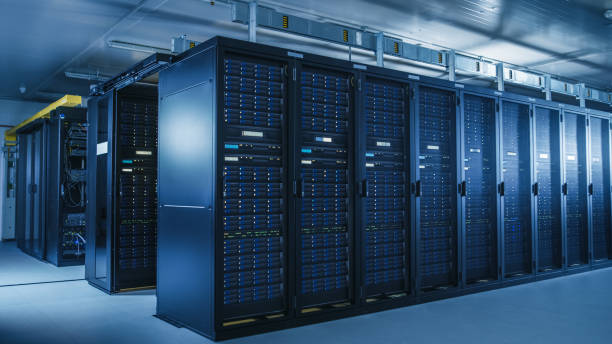
In modern enterprise environments, the backbone of digital operations relies heavily on datacenter equipment, which powers everything from cloud services and enterprise applications to data storage and network connectivity. As organizations scale and digital demands grow, ensuring the security, efficiency, and lifecycle management of this infrastructure becomes critical. Secure datacenter equipment solutions are essential for maintaining uninterrupted operations, optimizing performance, and reducing operational risks in complex IT environments.
Datacenters are no longer just physical facilities—they are dynamic ecosystems that support business continuity, data processing, and global connectivity. Managing these environments requires a strategic approach that combines security, asset management, and operational efficiency. Without proper oversight, organizations risk downtime, data breaches, inefficiencies, and rising operational costs.
Understanding the Importance of Datacenter Equipment Management
Datacenter equipment includes servers, storage systems, networking hardware, cooling systems, and power infrastructure. These components work together to ensure seamless data processing and availability.
Efficient management of this equipment is essential because:
- It ensures continuous system uptime
- It supports scalability and performance optimization
- It reduces hardware failures and operational disruptions
- It improves energy efficiency and cost control
As IT environments become more complex, managing these components securely and efficiently becomes a top priority for organizations.
The Role of Security in Datacenter Operations
Security is one of the most critical aspects of datacenter equipment management. Since datacenters store and process sensitive information, any vulnerability can lead to significant risks.
Physical Security of Equipment
Datacenter hardware must be protected from unauthorized access, theft, or tampering. This includes controlled access to facilities, surveillance systems, and strict personnel verification protocols.
Data Security Integration
While physical equipment security is essential, protecting the data processed by these systems is equally important. Secure datacenter solutions ensure that hardware is configured and maintained in a way that minimizes data exposure risks.
Threat Prevention and Monitoring
Advanced monitoring systems are used to detect unusual activity, hardware failures, or security breaches in real time. This allows IT teams to respond quickly and prevent potential disruptions.
Efficient IT Operations Through Equipment Optimization
Efficient IT operations depend on how well datacenter equipment is managed throughout its lifecycle. Optimization ensures that resources are used effectively without unnecessary waste or redundancy.
Performance Monitoring and Maintenance
Regular monitoring of hardware performance helps identify potential issues before they lead to system failures. Predictive maintenance strategies reduce downtime and extend equipment lifespan.
Load Balancing and Resource Allocation
Efficient datacenter management involves distributing workloads evenly across servers and systems. This ensures optimal performance and prevents overloading of specific components.
Energy Efficiency Management
Datacenters consume significant amounts of energy. Efficient equipment management includes optimizing cooling systems, power usage, and hardware utilization to reduce energy consumption and operational costs.
Lifecycle Management of Datacenter Equipment
Proper lifecycle management is essential for maintaining efficiency and security in datacenter environments. This includes planning, deployment, operation, and eventual retirement of equipment.
Procurement and Deployment
Selecting the right equipment based on workload requirements is the first step in building an efficient datacenter. Proper deployment ensures that systems are configured for maximum performance from the start.
Monitoring and Optimization
Throughout the operational phase, equipment must be continuously monitored and optimized to ensure efficiency and reliability. This includes software updates, hardware tuning, and performance analysis.
Secure Decommissioning
When equipment reaches the end of its useful life, it must be securely decommissioned. This includes data sanitization, hardware dismantling, and safe disposal or recycling.
Benefits of Secure Datacenter Equipment Solutions
Enhanced Operational Efficiency
Proper management of equipment ensures that systems run smoothly with minimal disruptions, improving overall IT performance.
Reduced Downtime
Predictive maintenance and monitoring help prevent unexpected failures, reducing costly downtime.
Improved Security
Secure handling of hardware and data reduces the risk of breaches and unauthorized access.
Cost Optimization
Efficient resource utilization and extended equipment lifespan help reduce capital and operational expenses.
Scalability and Flexibility
Well-managed datacenter infrastructure allows organizations to scale operations quickly based on demand.
Challenges in Managing Datacenter Equipment
Despite advancements in technology, managing datacenter equipment presents several challenges:
Rapid Technological Evolution
Frequent hardware upgrades make it difficult to maintain consistent infrastructure.
High Energy Consumption
Datacenters require significant power and cooling, leading to high operational costs.
Complexity of Hybrid Environments
Many organizations operate hybrid environments combining on-premise and cloud infrastructure, increasing management complexity.
Security Risks
Unauthorized access, hardware theft, and data breaches remain ongoing concerns.
Addressing these challenges requires a structured and proactive management approach.
Best Practices for Efficient Datacenter Equipment Management
To ensure optimal performance and security, organizations should adopt the following best practices:
- Implement centralized asset management systems
- Conduct regular performance audits and maintenance
- Use predictive analytics for equipment monitoring
- Ensure strict access control and physical security
- Optimize energy usage through smart infrastructure
- Maintain detailed lifecycle documentation for all assets
- Plan for secure decommissioning of outdated equipment
These practices help organizations maintain control over their infrastructure while improving efficiency and reducing risks.
The Role of Automation and Emerging Technologies
Modern datacenter environments are increasingly adopting automation and intelligent systems to improve efficiency.
Artificial Intelligence and Machine Learning
AI-driven systems can analyze performance data to predict failures, optimize workloads, and improve energy efficiency.
Infrastructure as Code (IaC)
Automation tools allow IT teams to manage infrastructure using code, improving consistency and reducing manual errors.
Real-Time Monitoring Systems
Advanced monitoring tools provide real-time insights into equipment performance, helping organizations make faster and more informed decisions.
Future Trends in Datacenter Equipment Management
The future of datacenter management is focused on efficiency, automation, and sustainability. Key trends include:
- Increased adoption of edge computing infrastructure
- Greater use of AI-driven predictive maintenance
- Expansion of green datacenter initiatives
- Enhanced virtualization and cloud integration
- Smarter energy management systems
These advancements will continue to transform how organizations manage their IT infrastructure.
Conclusion
Secure and efficient management of datacenter equipment is essential for maintaining reliable IT operations in today’s digital world. From performance optimization and energy efficiency to security and lifecycle management, every aspect of datacenter infrastructure plays a critical role in overall business success.
As organizations continue to scale their digital operations, adopting structured and secure management practices becomes increasingly important. A strong focus on datacenter equipment ensures not only operational efficiency but also long-term sustainability and security.
Businesses looking to enhance their IT infrastructure management and lifecycle processes can explore comprehensive solutions offered through E-xpire, focused on secure, efficient, and responsible asset handling.
Ultimately, effective datacenter equipment management is not just about maintaining hardware—it is about enabling resilient, scalable, and secure digital operations for the future.