

Introduction to Cybersecurity Assessments
In the ever-evolving landscape of cybersecurity, organizations face a myriad of threats that can jeopardize the integrity, confidentiality, and availability of their data. To safeguard against these threats, cybersecurity assessments have emerged as indispensable tools within an organization’s security strategy. Among the various methods employed in such assessments, penetration testing and vulnerability scanning stand out as two critical practices that contribute significantly to enhancing security posture.
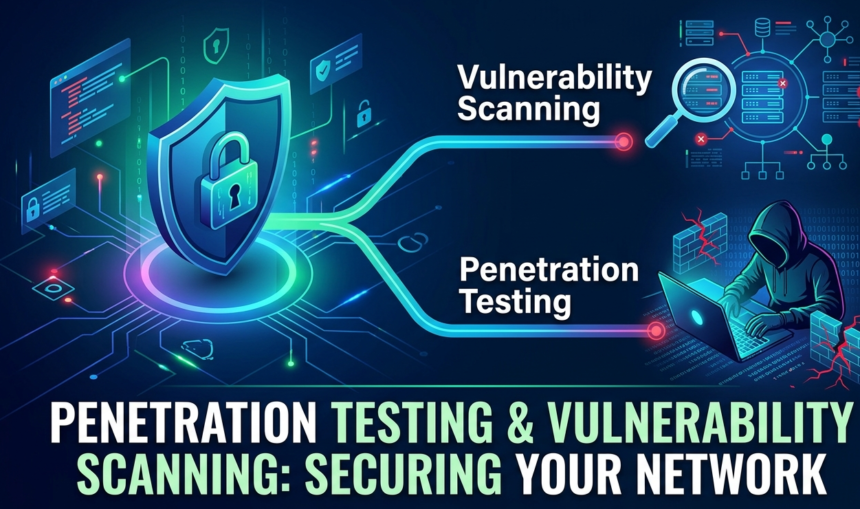
Cybersecurity assessments are systematic evaluations that aim to identify risks and vulnerabilities within an organization’s systems, networks, and applications. Penetration testing, often referred to as pen testing, is a simulated cyberattack conducted by security professionals. It seeks to exploit vulnerabilities in order to demonstrate the potential impact of a real-world attack. This hands-on approach allows organizations to understand how an attacker might breach their defenses, providing invaluable insights that can lead to improved security measures.
On the other hand, vulnerability scanning is a more automated process that involves identifying known vulnerabilities within a system or network. These scans utilize databases of known security flaws to discover weaknesses that could be exploited by cybercriminals. While vulnerability scanning may not replicate the multifaceted tactics employed by real threat actors, it serves as an essential first line of defense, enabling organizations to detect and remediate vulnerabilities before they can be exploited.
Both penetration testing and vulnerability scanning are vital components of a comprehensive cybersecurity strategy. By integrating these practices, organizations can gain a deeper understanding of their security landscape, prioritize remediation efforts, and maintain a proactive stance against potential threats. Ultimately, the duo of penetration testing and vulnerability scanning plays a crucial role in fortifying defenses and ensuring the resilience of critical systems against an increasingly sophisticated array of cyber threats.
What is Penetration Testing?
Penetration testing, often referred to as pen testing, is a simulated cyberattack against a computer system, network, or web application to assess its security. The objective of this testing is to identify vulnerabilities that a malicious actor could exploit. Unlike vulnerability scanning, which generally identifies potential weaknesses in a system, penetration testing goes a step further by actively trying to exploit these vulnerabilities. This process provides organizations with a deeper understanding of their security posture.
The methodology of penetration testing involves several phases, including planning, scanning, gaining access, maintaining access, and analysis. During the planning phase, testers define the purpose and scope of the assessment, which includes determining what systems will be tested and the methods of testing. In the scanning phase, tools and techniques such as network scanners and vulnerability assessment tools are employed to identify open ports and vulnerabilities.
Subsequently, the gaining access phase is critical, as it entails exploiting identified vulnerabilities to gain unauthorized access to sensitive data or systems. This stage often utilizes various attack vectors such as social engineering, exploiting software flaws, or leveraging misconfigurations. The maintaining access phase allows the tester to evaluate how long they can remain undetected in the system, mimicking the behavior of an actual attacker. Finally, the analysis phase synthesizes the findings into a comprehensive report detailing vulnerabilities discovered, methods used, potential impacts, and recommendations for remediation.
Penetration testing utilizes various tools such as Metasploit, Nmap, and Burp Suite, which are integral to identify and exploit weaknesses in systems. Overall, this testing process is vital for businesses, enabling them to bolster their defenses against cyber threats effectively.
What is Vulnerability Scanning?
Vulnerability scanning is a systematic process used to identify and evaluate the security weaknesses present in computer systems, networks, and applications. This method employs specialized automated tools designed to assess the configurations, services, and software for potential vulnerabilities. By scanning target systems, organizations can pinpoint areas that may be susceptible to exploitation by malicious actors.
During a vulnerability scan, the scanning tool actively checks the system against a database of known vulnerabilities and security standards. These databases are regularly updated to include the latest threats and weaknesses, ensuring that the scanning process remains effective in recognizing newly identified security flaws. The scans typically generate comprehensive reports that detail identified vulnerabilities, their severity levels, and recommended remediation strategies, which assist security teams in prioritizing their responses effectively.
It is important to note that while vulnerability scanning provides a significant insight into potential security risks, it should not be mistaken for penetration testing. The latter involves simulated attacks carried out to exploit vulnerabilities, thereby assessing the real-world implications of those weaknesses. Vulnerability scanning, on the other hand, is primarily focused on detection and assessment rather than exploitation. Nevertheless, regular vulnerability scans serve as a vital component of a robust security strategy, enabling organizations to maintain a strong posture against emerging threats.
In conclusion, understanding vulnerability scanning is essential for organizations seeking to strengthen their cybersecurity measures. By routinely identifying and addressing vulnerabilities, businesses can reduce their risk exposure and better protect sensitive data from unauthorized access or breaches.
Key Differences Between Penetration Testing and Vulnerability Scanning
When comparing penetration testing and vulnerability scanning, it is essential to consider their differing scopes and objectives. Penetration testing is a proactive approach focused on simulating an attack on a system, where the tester actively exploits vulnerabilities to assess security posture. In contrast, vulnerability scanning is generally more routine and automated; it identifies potential vulnerabilities without actively exploiting them, thereby providing an overview of security weaknesses.
The depth of analysis also sets these two methodologies apart. Penetration testing is comprehensive and often requires in-depth analysis and a nuanced understanding of security mechanisms. It delves into the exploitability of identified vulnerabilities, providing not only findings but also insight into the potential impact of an actual attack. On the other hand, vulnerability scanning offers a broader view of vulnerabilities, producing a list of weaknesses, which can then be prioritized for further analysis. However, it may miss the deeper context of each vulnerability’s potential impact on business operations.
Moreover, the skill sets required for each process differ significantly. Effective penetration testing often demands skilled professionals with expertise in various domains, including ethical hacking, knowledge of coding, and an understanding of security protocols. In contrast, vulnerability scanning can be performed with less specialized knowledge due to the automated tools and protocols available that simplify the scanning process. This difference in required skills directly influences the type of results each method produces.
Ultimately, while both penetration testing and vulnerability scanning aim to enhance an organization’s security framework, they serve distinct roles. Penetration testing provides a deeper, contextual understanding of vulnerabilities and their implications, whereas vulnerability scanning offers a more straightforward assessment of system weaknesses. Understanding these differences is crucial in developing a well-rounded security strategy.
When to Use Penetration Testing vs Vulnerability Scanning
Understanding the appropriate context for employing penetration testing and vulnerability scanning is crucial for organizations looking to enhance their cybersecurity posture. These two methods serve distinct purposes and can be effectively utilized depending on specific security requirements and regulatory landscapes.
Penetration testing is particularly beneficial when an organization aims to simulate a real-world cyberattack. This method is ideal before launching new applications or major system upgrades, as it helps identify potential security flaws that could be exploited by malicious actors. Organizations in regulated industries, such as finance or healthcare, may also be mandated to conduct penetration testing to comply with regulatory standards. Throughout the cybersecurity lifecycle, this approach is often employed post-assessment to provide a deeper insight into overall security resilience.
On the other hand, vulnerability scanning serves a proactive role in an organization’s security strategy. It is most effective when regularly scheduled, typically as part of an ongoing security maintenance program. Lower-frequency scans can identify infrastructure weaknesses without the resource intensity of a full penetration test. They are highly valuable for ongoing compliance efforts, allowing organizations to ensure they regularly check for known vulnerabilities and that appropriate patches are applied promptly. These scans can also assist in preparing for a more comprehensive penetration test by identifying initial areas of concern.
In summary, the choice between penetration testing and vulnerability scanning should be guided by the specific security needs, regulatory requirements, and the current stage of the cybersecurity lifecycle within the organization. By understanding the unique benefits of each method, organizations can strategically allocate resources and efforts to achieve a robust security framework.
Pros and Cons of Penetration Testing
Penetration testing, often referred to as pen testing, is a crucial process employed by organizations to assess their security posture. It involves simulating real-world attacks to identify vulnerabilities that malicious actors could exploit. There are several advantages associated with penetration testing. One significant benefit is the in-depth analysis it provides; penetration tests simulate various attack techniques to reveal how effectively an organization’s defenses hold against potential breaches. This results in a comprehensive understanding of specific vulnerabilities, allowing organizations to prioritize remediation efforts effectively.
Another advantage lies in the ability to measure incident response protocols. During a penetration test, not only are security weaknesses identified, but the effectiveness of the security team’s preparedness is also evaluated. This can lead to improved incident response strategies and better training for personnel involved in security.
However, there are notable disadvantages to consider as well. Penetration testing can be resource-intensive, often requiring a considerable amount of time and expertise from both the testing team and the organization. This can translate into higher costs compared to automated vulnerability scanning, which may not provide the same level of detail. Furthermore, pen tests can occasionally disrupt normal business operations, particularly if they involve active exploitation of vulnerabilities in the live environment.
Moreover, the success of penetration tests relies heavily on the scope and quality of the assessment. Inadequately defined parameters can lead to a reduced effectiveness of the findings, potentially leaving organizations with unseen vulnerabilities. Therefore, while penetration testing can offer significant insights and strengthen an organization’s security framework, it is essential to weigh these benefits against the associated time, resource, and cost considerations.
Pros and Cons of Vulnerability Scanning
Vulnerability scanning is an essential component of an organization’s cybersecurity strategy. Its main advantage lies in its ability to quickly identify potential weaknesses across a range of systems and applications. This speed enables organizations to get a broad oversight of vulnerabilities, making it particularly valuable for administrators and security teams looking to protect their infrastructure efficiently. Automated vulnerability scanning tools are capable of processing and analyzing vast amounts of data with minimal human intervention, significantly reducing the time administrative personnel would spend on assessments. This efficiency allows for regular scans, ensuring that new vulnerabilities are addressed promptly.
However, while the speed of vulnerability scanning is beneficial, it also presents a drawback: the lack of depth in analysis. Automated scans may miss certain vulnerabilities that require contextual understanding or manual validation. For instance, complex security issues – such as those involving business logic or specific configurations – might not be detected without deeper inspection and analysis. Furthermore, reliance solely on scanning without an additional layer of manual testing or penetration testing may lead to a false sense of security. Organizations might believe they are completely protected when, in fact, significant threats may persist undetected.
Another consideration is that vulnerability scanning can produce a substantial number of false positives, which can overwhelm security teams. As they sift through these alerts, critical vulnerabilities may be overlooked or deprioritized. This can result in wasted resources and can potentially expose the organization to risks that could have been mitigated with a more nuanced analysis. Thus, while vulnerability scanning offers a rapid assessment of an organization’s security posture, it should be complemented with more in-depth approaches to ensure comprehensive protection against potential threats.
Integrating Both Approaches into a Security Strategy
In today’s rapidly evolving cybersecurity landscape, organizations are recognizing the importance of a comprehensive approach to security. Integrating penetration testing and vulnerability scanning into an overall security strategy is essential for identifying and mitigating risks effectively. Each method complements the other, offering unique insights that together enhance an organization’s security posture.
To achieve a successful integration, organizations should begin by establishing a clear schedule for both penetration tests and vulnerability scans. It is advisable to conduct vulnerability scanning more frequently, as it allows for the timely identification of newly emerged vulnerabilities. Regular scans can be performed on a monthly or quarterly basis, depending on the organization’s size and the sensitivity of its data. On the other hand, penetration testing should ideally be conducted bi-annually or annually, focusing on deeper exploration of identified vulnerabilities.
After both assessments are conducted, the results should be analyzed collaboratively. Vulnerability scans can highlight potential cracks in the security infrastructure, while penetration tests can demonstrate the real-world implications of exploitation attempts. By reviewing the findings together, organizations can prioritize remediation efforts, focusing on the most critical vulnerabilities that pose substantial risks. This method not only enhances the security measures but also fosters a proactive security culture within the organization.
Furthermore, organizations should consider documenting all findings systematically and maintaining a security log. This documentation aids in tracking the resolution of vulnerabilities and understanding the effectiveness of deployed security measures over time. Continuous improvement should be the goal; therefore, as new technologies and threats emerge, the integration of penetration testing and vulnerability scanning should also adapt, ensuring a robust security framework.
Conclusion
Throughout this blog post, we have delved into the distinctions between penetration testing and vulnerability scanning, two critical components in the cybersecurity landscape. Both methods serve essential roles in identifying weaknesses in a system, yet they function differently. Vulnerability scanning is more automated and provides a broad overview of potential vulnerabilities, while penetration testing is a more in-depth, manual process that aims to exploit those vulnerabilities to assess the actual risk they pose.
Understanding the difference between these two approaches is crucial for organizations aiming to fortify their cybersecurity posture. Vulnerability scanning facilitates regular assessments, allowing organizations to stay informed about their security state. Conversely, penetration testing offers insights that can lead to actionable recommendations, enabling organizations to tackle vulnerabilities effectively.
It is also important to acknowledge that neither method should be viewed as a standalone solution. Rather, an effective cybersecurity strategy should integrate both penetration testing and vulnerability scanning. By adopting a balanced approach that encompasses regular scans and thorough testing, organizations can better prepare themselves against potential threats.
In summary, evaluating your organization’s specific cybersecurity needs is essential. This evaluation should inform the degree to which you implement penetration testing and vulnerability scanning into your security framework. Cybersecurity is a continually evolving field, and keeping pace with the latest practices can significantly enhance your organization’s resilience against cyber threats.