Key Takeaways
- Comprehensive network inventory management enhances operational efficiency and security.
- Regular audits and real-time monitoring are essential for maintaining accurate inventory records.
- Integrating advanced technologies like AI and machine learning can optimize inventory processes.
In today’s digital era, ensuring seamless network operations is vital for every organization. Effective management of network inventory not only supports business continuity but also strengthens security and compliance. As network environments become increasingly complex, strategic inventory management offers clear advantages, from minimizing downtime to proactively averting vulnerabilities. Businesses aiming to stay ahead of evolving threats and operational inefficiencies should explore robust network inventory management software as a cornerstone of their strategy.
Whether your network spans multiple sites or is contained within a single office, optimizing your inventory processes provides both immediate and long-term benefits. These include improved asset visibility, faster troubleshooting, and more efficient resource allocation. A well-maintained inventory not only saves costs but also ensures rapid detection of issues and efficient deployment of technology upgrades, helping organizations keep up with rapid IT advancements.
AD
Establishing a strong network foundation requires holistic inventory documentation, disciplined auditing, adoption of real-time tools, partnership with technology leaders, and a continuous focus on compliance and security. By following essential strategies, IT leaders can create a framework that withstands change, scales with needs, and secures mission-critical assets for the future.
High-quality network inventory management delivers operational efficiency, reduces downtime, and meets regulatory mandates, positioning organizations to embrace future growth confidently.
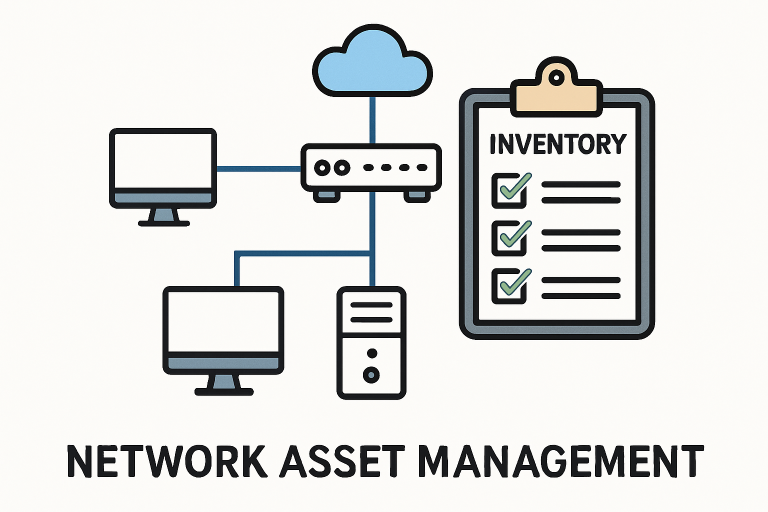
Comprehensive Inventory Documentation
Detailed recordkeeping of network assets is the backbone of a robust ICT infrastructure. Comprehensive documentation includes hardware, software, configurations, device locations, and personnel roles. By maintaining accurate records of device types, IP addresses, network segments, firmware, and responsible staff, IT teams gain a 360-degree view of their environment. This approach enables quick asset identification during incidents, facilitates planned maintenance, and eases future upgrades.
- Document device types and unique identifiers
- List IP addresses, subnet allocations, and network zones
- Track firmware, software versions, and update status
- Record physical locations, rack assignments, and assigned personnel
Comprehensive inventory documentation supports business continuity planning and expedites disaster recovery efforts, ensuring your network can bounce back swiftly from outages.
Regular Audits and Reconciliations
Periodic audits are critical for validating inventory records and identifying hidden discrepancies. Scheduled audits should encompass both physical assets and logical configurations, verifying that what exists on paper matches real-world deployments. Automated reconciliation processes can cross-reference inventory lists with purchase records and network logs to surface inconsistencies, unauthorized additions, or asset retirements. These steps ensure that shadow IT and unapproved devices are promptly detected, reducing security blind spots and financial waste.
- Conduct routine, scheduled audits for continuous accuracy
- Leverage automation to reconcile and flag mismatches
- Cross-verify inventory with procurement and network activity logs
Effective audits bolster the integrity of your asset database and uncover risks that might otherwise go unnoticed.
Real-Time Monitoring and Automation
Real-time monitoring transforms reactive asset management into a proactive discipline. Using advanced monitoring tools, organizations receive instant visibility into active and inactive devices, network traffic, and configuration changes. Real-time alerts can flag unusual device activity, bandwidth anomalies, or unauthorized access attempts, empowering IT teams to resolve issues before they escalate. Automation further streamlines these processes, minimizing manual errors and allowing for self-updating asset databases as devices are added, moved, or retired.
- Track the online and offline status of all devices continuously
- Monitor performance metrics and threshold breaches
- Detect and quarantine unauthorized or rogue devices immediately
These monitoring capabilities enhance security and enable leaner, more responsive network operations.
Integration of Advanced Technologies
Embracing AI and machine learning equips organizations to anticipate inventory needs, predict device failures, and dynamically adjust resource allocations. Predictive analytics can identify slow-moving or obsolete assets, optimize safety stock, and suggest replacements before potential downtime. By analyzing large volumes of contextual data, machine learning models can automatically recommend inventory adjustments and process improvements, resulting in higher efficiency and cost savings.
- Forecast inventory needs with AI-driven demand modeling
- Spot outdated devices and forecast hardware refresh cycles
- Automate dynamic reallocation of network resources
These innovations empower IT managers to make smarter decisions and maximize their infrastructure investment.
Collaborative Partnerships
Building strategic partnerships with suppliers and vendors enhances inventory control and supply chain flexibility. Through open communication, timely data exchange, and the implementation of Vendor-Managed Inventory (VMI) systems, organizations can align procurement with real-time network demand. Joint planning efforts boost forecasting accuracy, improve contract compliance, and create an agile network environment that quickly adapts to technology changes and disruptions.
- Establish open lines of communication with vendors
- Engage in shared planning and forecasting exercises
- Implement VMI for streamlined inventory replenishment
These partnerships make supply chains more resilient and responsive, supporting strategic growth objectives.
Security and Compliance
Accurate inventory management reinforces both network security and regulatory compliance. By swiftly identifying unauthorized, outmoded, or vulnerable equipment, IT teams can address gaps before they become entry points for cyberattacks. Timely software updates and patch management prevent exploits, while comprehensive records provide essential evidence during security audits. Regulatory mandates across industries increasingly demand granular control and documentation of technology assets, making disciplined inventory management a compliance necessity.
- Pinpoint and remediate outdated or non-compliant hardware
- Maintain audit-ready documentation for regulatory authorities
- Automate firmware and software patch tracking to reduce risk
Adhering to best practices in asset management protects sensitive data and supports industry-specific requirements, reinforcing your organization’s trustworthiness and resilience.
Final Thoughts
Empowering organizations with modern network inventory management strategies is a critical step toward optimizing performance, enhancing security posture, and fulfilling compliance obligations. By leveraging detailed documentation, regular audits, real-time automation, advanced analytics, partnership development, and an unwavering focus on security, IT leaders can build agile, robust networks ready for tomorrow’s challenges. The right approach to network inventory not only maximizes investments but also supports innovation and growth in the digital age.