

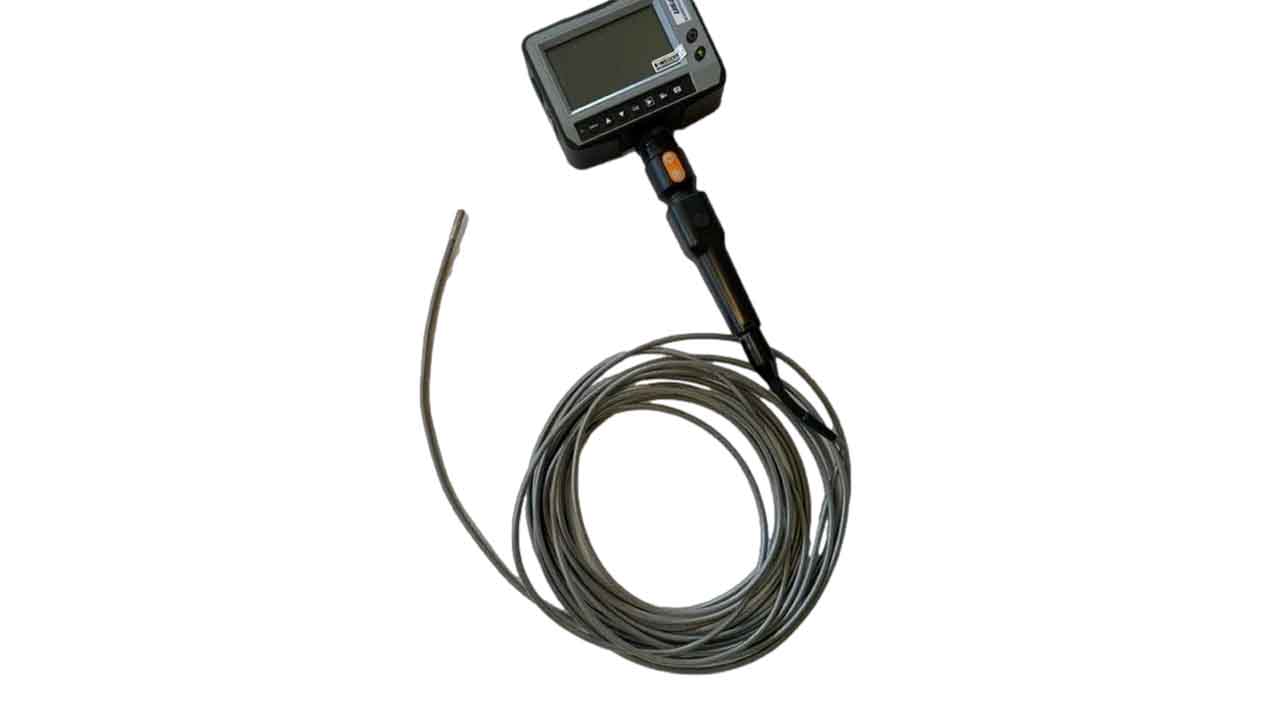
In aerospace, you don’t get extra credit for “trying”—you get credit for finding real defects before they become incidents. That’s why videoscopes have moved from “nice-to-have gadgets” to essential tools for engine shops, line maintenance and MRO facilities across aerospace and other inspection-heavy industries.
Today’s systems go far beyond simple camera-on-a-cable designs. Higher-resolution imaging, smarter articulation, better data management and improved durability are changing how technicians inspect engines, APUs, gearboxes and flight-critical structures. Here are the key trends driving that shift.
Higher-resolution imaging and smarter visual clarity
A few years ago, a grainy live feed might have been acceptable. Now, high-definition imaging is quickly becoming the baseline. Modern videoscopes offer:
- Higher pixel density for sharper detail on blades, vanes and seals
- Better low-light performance inside dark, complex cavities
- Image enhancement tools to improve contrast and edge visibility
These improvements don’t just make inspections look nicer. They help technicians distinguish between discoloration and cracks, superficial pitting and serious damage, or harmless deposits and genuine foreign object damage. In a world of tight maintenance windows and strict OEM limits, that extra clarity matters.
Digital zoom, freeze-frame and on-screen measurement features are also becoming more common, supporting better documentation and more confident decisions when engineers review images later.
Advanced articulation and smaller diameters
Engines and components keep getting more compact and more complex. Access ports aren’t getting any bigger. That’s driving two parallel trends: thinner probes and more capable articulation.
Modern aviation videoscopes increasingly offer:
- Slimmer insertion tubes to navigate smaller ports and tighter turns
- 4-way articulation for full directional control around blades and internal features
- Intuitive joystick control so inspectors can “drive” the tip like a cursor
That combination of small diameter and precise steering helps technicians reach surfaces that were previously difficult or impossible to examine without partial teardown. It also reduces the risk of missed defects in shadowed areas or behind internal lips and baffles.
Engine and APU inspections, in particular, benefit from tailored probe lengths and diameters. Specialist suppliers such as USA Borescopes match these requirements with aviation-ready videoscopes and borescopes built for the realities of hangar and shop-floor work.
Connected, data-driven inspection workflows
Another major trend is the shift from standalone videoscopes to connected inspection platforms. Aerospace maintenance is increasingly data-centric, and visual inspection is no exception. Modern systems often provide:
- On-board storage with tagging for tail number, engine serial and work order
- Wi-Fi or USB transfer to maintenance systems and digital forms
- Integration into asset management or maintenance tracking software
Instead of photos living on a memory card in someone’s toolbox, inspection evidence can be organized, backed up and made accessible across the organization. That supports:
- Better trend analysis across multiple inspections
- Easier collaboration between frontline technicians and engineering support
- Stronger traceability for regulators, OEMs and quality auditors
Over time, this kind of structured data helps maintenance teams refine inspection intervals, spot recurring issues and justify decisions about on-condition monitoring versus scheduled removals.
Durability, ergonomics and long-shift usability
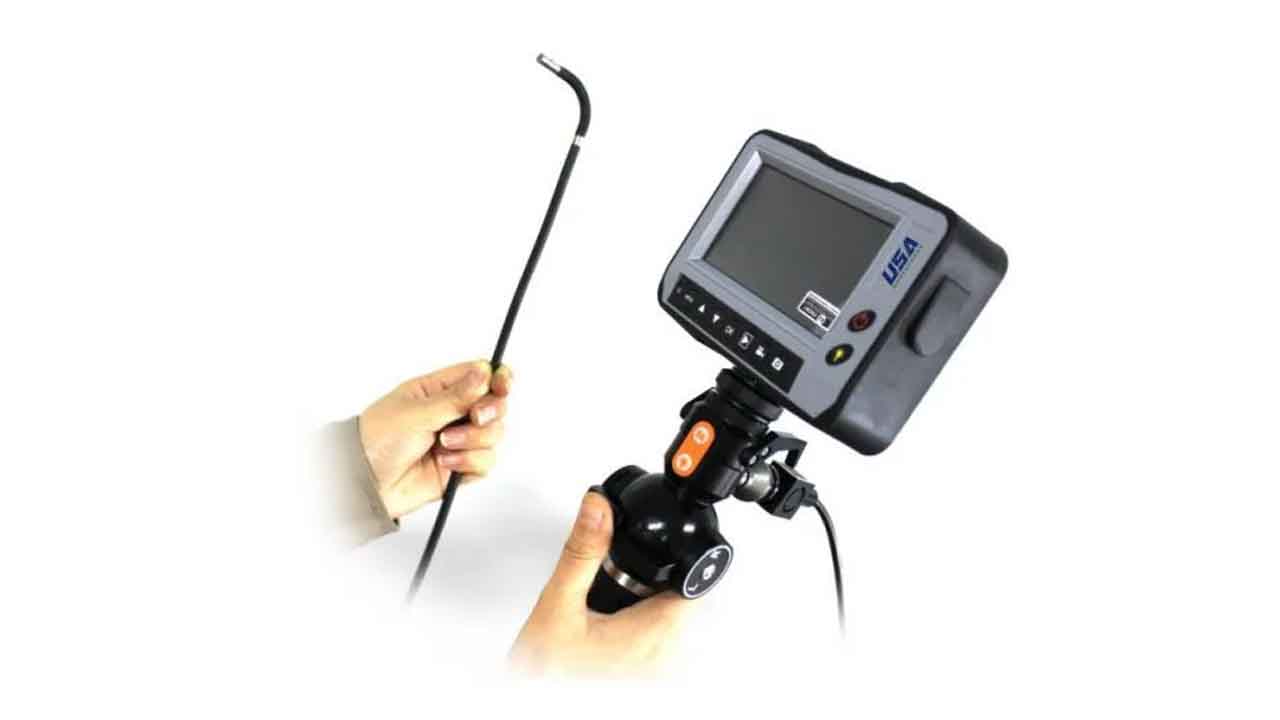
Aerospace videoscopes don’t live gentle lives. They’re dragged through hangars, used on stands and cherry pickers, exposed to temperature swings and occasionally knocked or dropped. Recent design trends recognize that reality:
- Rugged housings and reinforced probes designed to handle daily use
- Improved sealing against dust, fluids and workshop contaminants
- Longer battery life and swappable packs for full-shift operation
- Lighter, more ergonomic handsets to reduce fatigue
Good ergonomics may sound like a small detail, but on long, complex inspections it makes a difference. If a system is comfortable to use, technicians are more likely to position it carefully, take the time to capture good evidence and maintain consistent technique across inspections.
Specialist services and life-cycle support
As videoscopes become more capable, they also become more critical—and more complex. That’s pushing aerospace maintenance organizations to think in terms of tool life-cycle management rather than one-off purchases.
Key trends here include:
- Professional repair and calibration to keep articulation and optics performing correctly
- Periodic evaluations to catch early signs of wear or damage
- Clear service histories to support internal and external audits
Rather than treating videoscopes as semi-disposable, more MROs are partnering with specialist providers that offer dedicated inspection equipment services. That approach extends tool life, controls total cost of ownership and gives teams a clear process to follow when equipment performance drifts or damage occurs.
Looking ahead: smarter videoscopes and assisted inspection
Looking further forward, aerospace maintenance is likely to see more:
- On-board annotation and guided workflows to standardize how inspections are carried out
- Automated file naming and tagging to reduce clerical errors
- Assisted detection tools that highlight suspicious areas for closer human review
These enhancements won’t replace technicians or certifying engineers, but they can help reduce variability and support less-experienced staff as fleets grow and maintenance workloads increase.
As engines evolve and regulatory expectations tighten, MROs will keep demanding tools that bridge the gap between practical shop-floor realities and rigorous documentation. Videoscopes that combine robust hardware with smart, connected software will be best placed to meet that need.
Preparing your maintenance operation for the next generation of videoscopes

For aerospace operators and MROs, the question isn’t whether videoscope technology is changing—it’s whether your current tools and processes are keeping pace. When you evaluate new systems, it’s worth looking beyond headline resolution and price to consider:
- Probe diameters and articulation that match your engine and component mix
- Connectivity and data-handling features that integrate with your maintenance systems
- Durability, serviceability and realistic support options
USA Borescopes focuses specifically on remote visual inspection and understands how aerospace maintenance teams balance safety, compliance, turnaround times and budgets. Their experience supporting aviation and other demanding sectors is reflected in their history and approach, outlined on their About Us page.
If you’re reviewing your current videoscope fleet, planning for new engine types or preparing for more data-driven inspections, it helps to speak with a specialist who lives in this space every day. To discuss your aerospace maintenance requirements and explore suitable videoscope options, contact USA Borescopes for expert guidance.
About the Author
This guest post was written by a technical content writer specialising in aerospace maintenance and inspection technology. They work with aviation suppliers and MRO organizations to turn complex engineering and regulatory topics into clear, practical insights that help decision-makers select tools that improve safety, compliance and operational efficiency.